
Orientation & Mobility
Orientation and Mobility Guides
Practical pages about white cane skills, route planning, street crossings, travel confidence, and how blind travelers build independent movement.
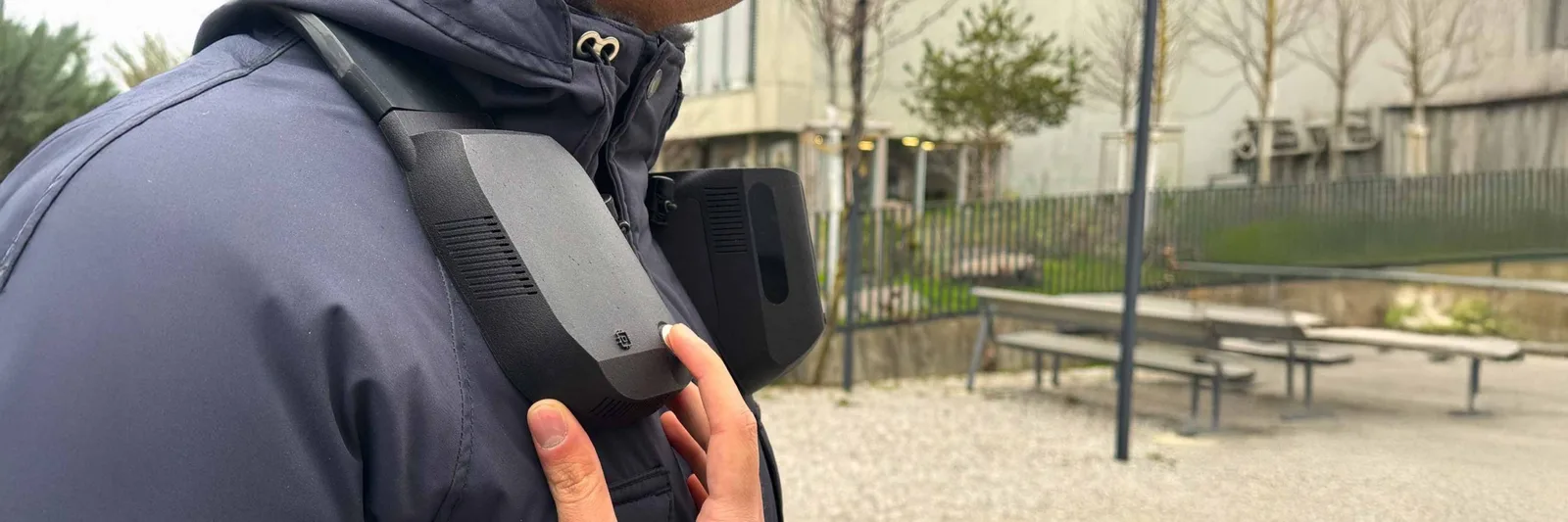
Body Protection Techniques for Safer Blind Travel
Learn how three body-protection techniques help blind travelers detect doors, branches, furniture, and wall openings while complementing a white cane or guide.
01 · Open guide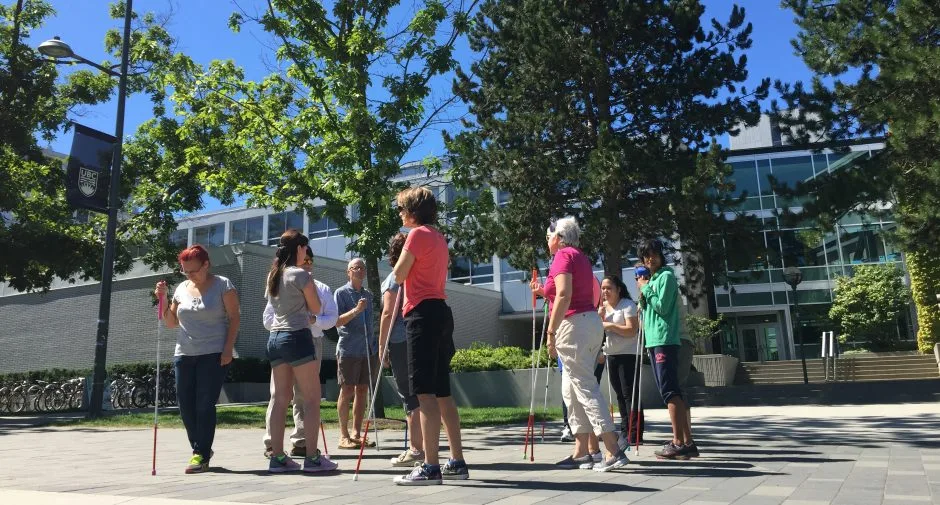
How Early Orientation and Mobility Practice Builds a Child’s Route Confidence
A family-focused orientation and mobility guide about hand use, pre-cane tools, smart mobility technology, community trips, and route confidence for blind children. and families.
02 · Open guide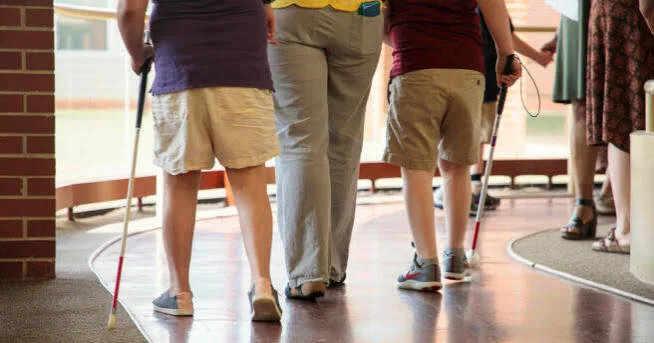
How Orientation and Mobility Training Turns Routes Into Confidence
A detailed orientation and mobility guide on building route confidence through sensory cues, cane or guide-dog feedback, mental mapping, public transit practice, and progressive independence.
03 · Open guide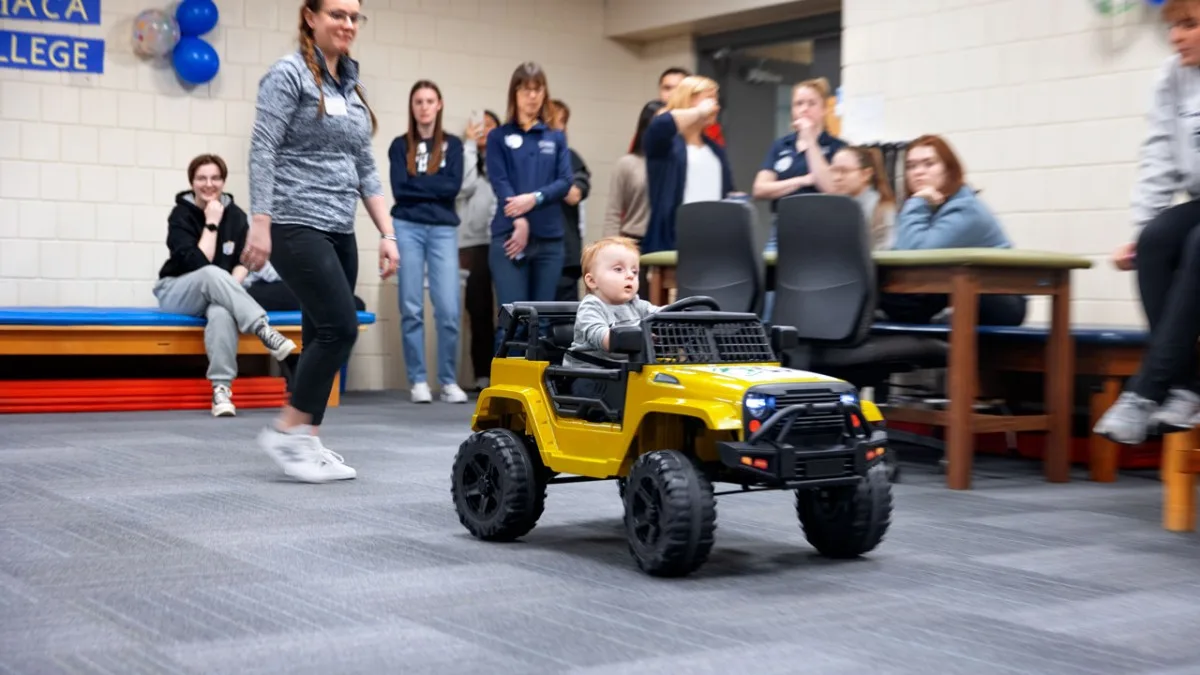
How Adapted Ride-On Toys Can Build Early Independent Movement
Adapted ride-on toys can support early independent movement when they match a child's motor control, environment, and supervision needs, giving more room for self-directed play than heavier medical equipment alone.
04 · Open guide
How to Compare Adult Guide Dog Programs Before You Apply
Compare adult guide dog programs by checking training format, application fit, travel-readiness expectations, follow-up support, and what costs are covered before you commit.
05 · Open guide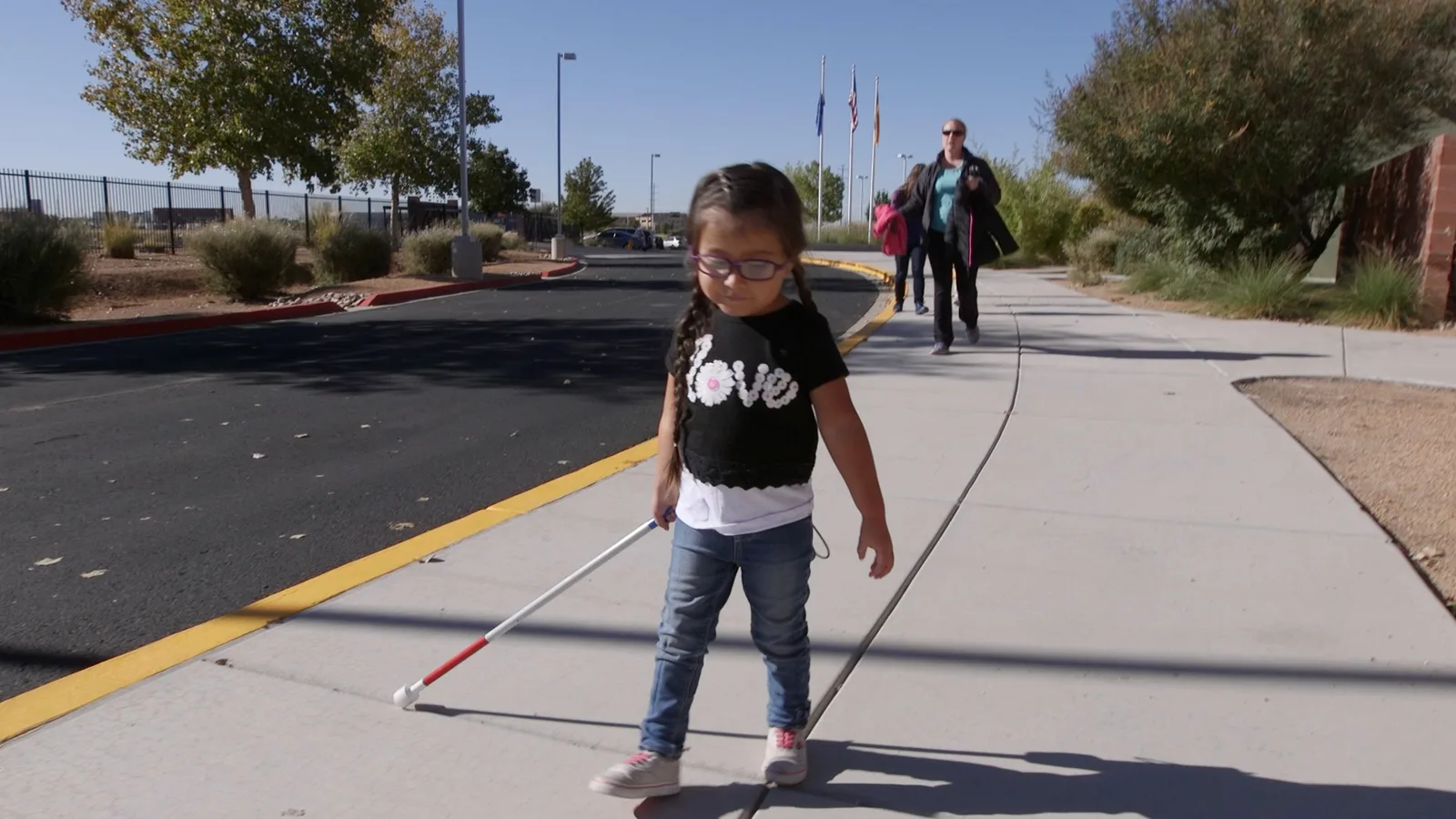
How to Introduce a Cane as Play for a Very Young Blind Child
A very young blind child usually accepts a cane more naturally when it is introduced as part of play, movement, and discovery instead of as a correction-heavy lesson.
06 · Open guide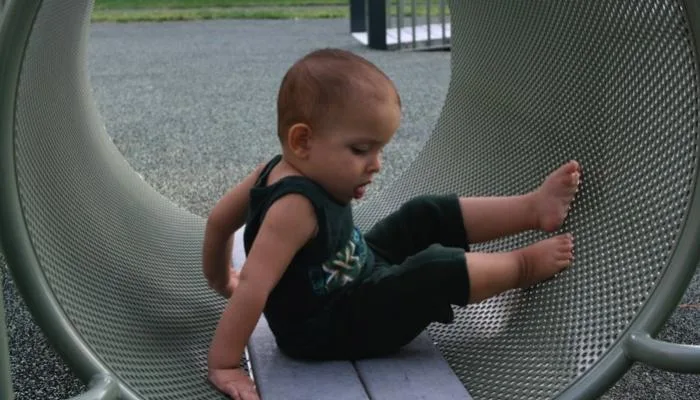
How to Start Orientation and Mobility Skills Before a Blind Baby Is Walking
Early orientation and mobility work for a blind baby starts with body awareness, directional language, useful sound cues, and simple movement games long before formal cane travel enters the picture.
07 · Open guide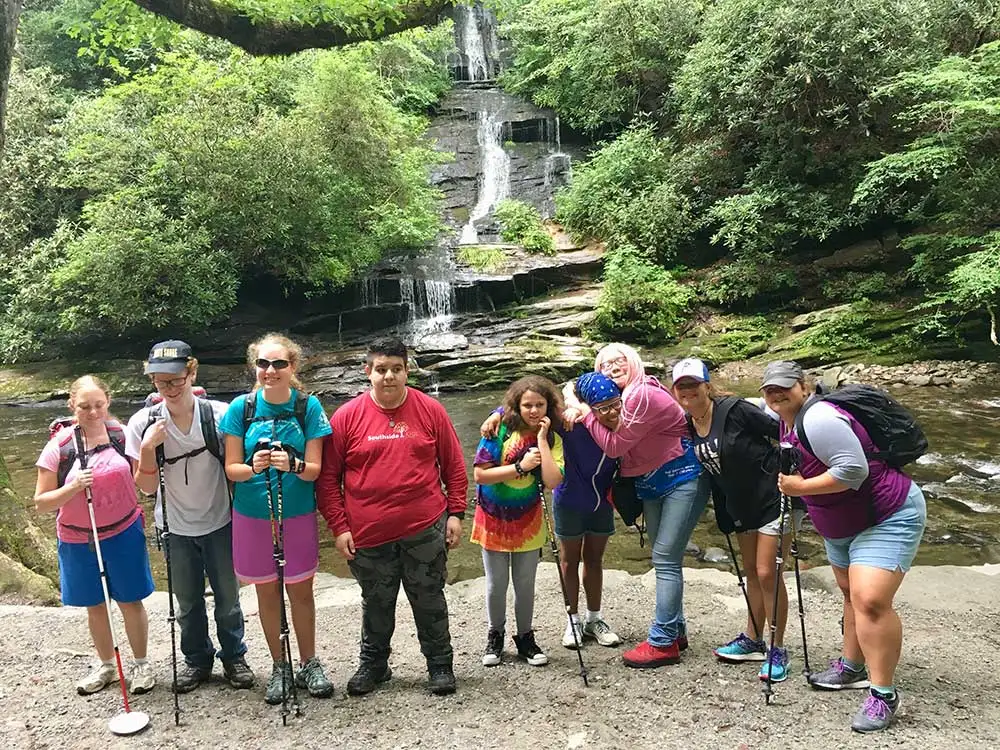
How Outdoor Adventure Walks Build Confidence Before Bigger Routes
Use outdoor adventure walks to build orientation confidence through textures, landmarks, guided exploration, and repeat visits before a child takes on bigger routes.
08 · Open guide
How to Tell When a Child Is Ready for a Precane or Long Cane
Tell when a child is ready for a precane or long cane by checking posture, hand use, balance, and the kind of travel feedback the child can use safely.
09 · Open guide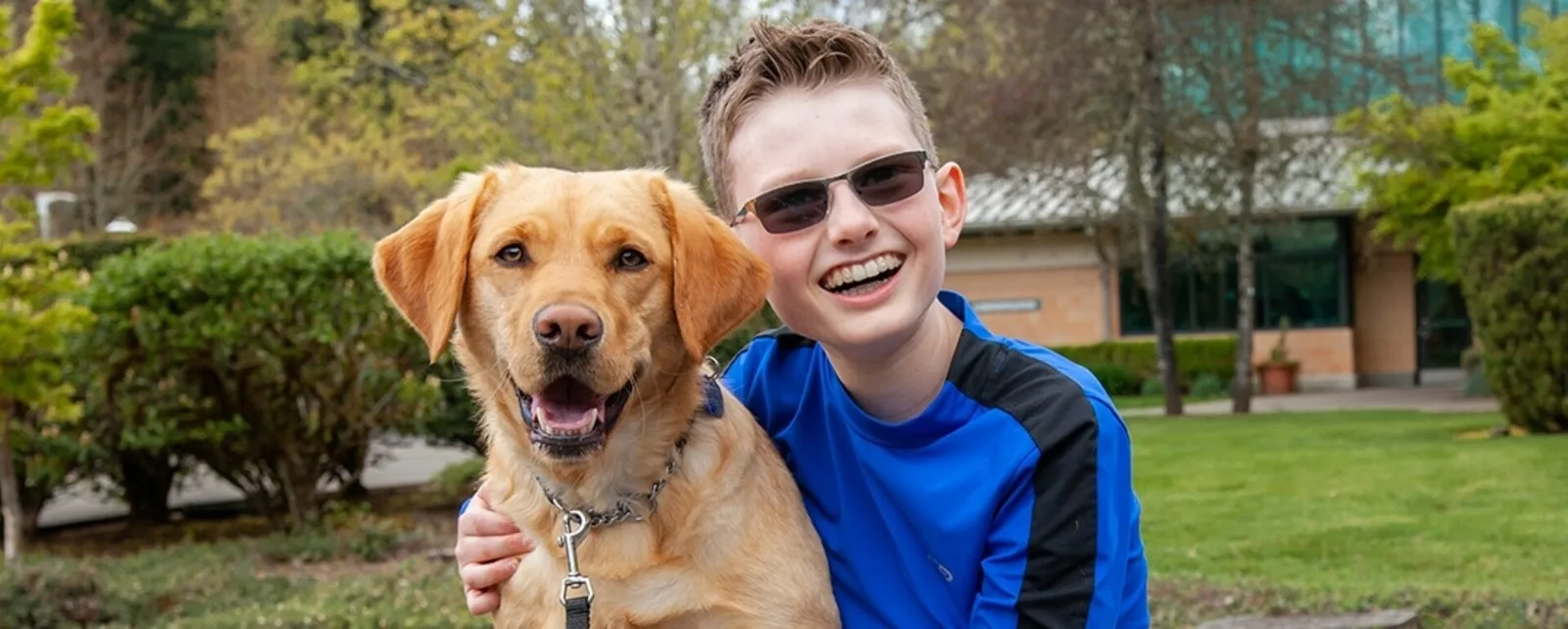
How to Compare Guide Dog Programs for Children and Teens
Compare guide dog programs for children and teens by checking age fit, travel goals, family training expectations, and what support continues after placement.
10 · Open guide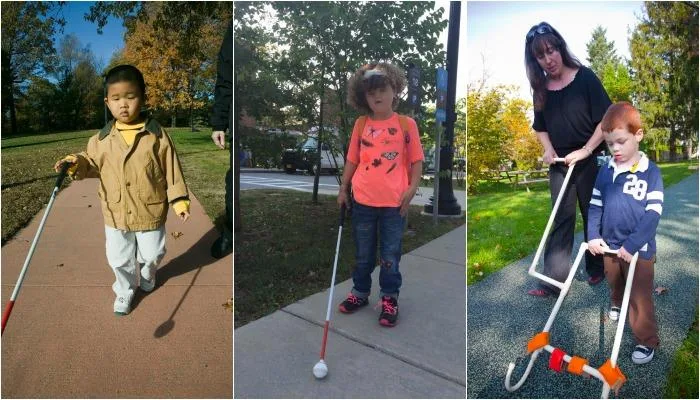
How Anticipators Help Young Children Build Early Mobility Skills
Anticipators give young children early information about walls, furniture, and route changes before a full white cane is a realistic fit, but the right device and teaching approach matter.
11 · Open guide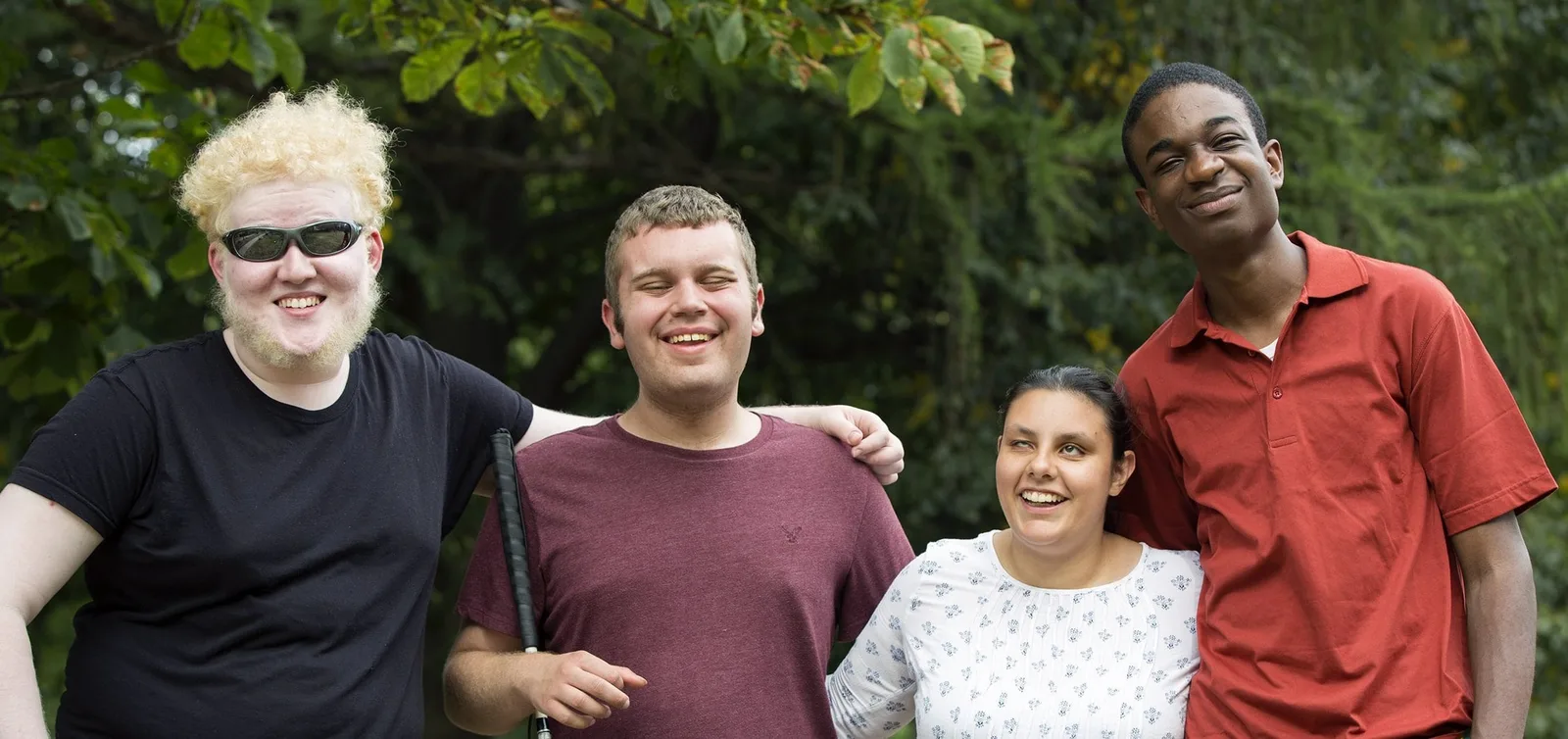
How Community Outings Build Orientation Skills Before Bigger Routes
Use short community outings to build route confidence, landmark understanding, and travel concepts before longer or busier orientation challenges.
12 · Open guide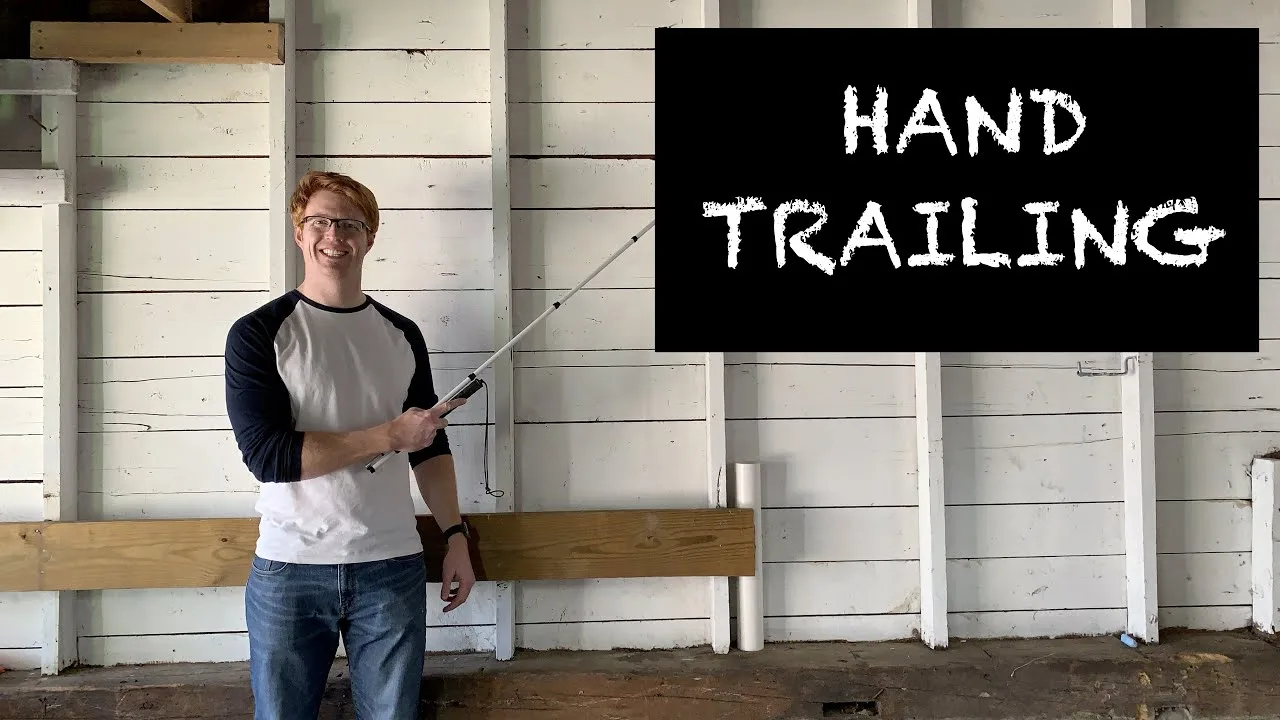
How to Use Hand Trailing on Familiar Routes at Home
Use hand trailing on familiar routes at home by letting touch gather wall, doorway, and furniture clues so movement becomes easier to map without turning every walk into a verbal guessing game.
13 · Open guide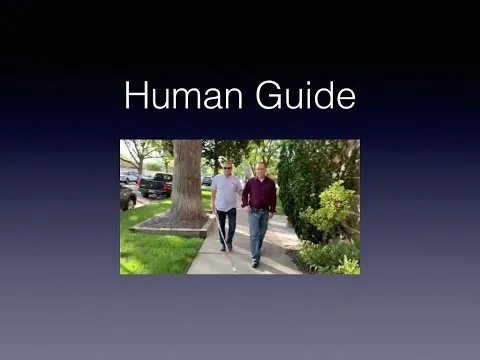
How to Walk With a Human Guide Safely and Comfortably
Human-guide travel works best when you hold just above the guide's elbow, stay half a step behind, and treat pace, stairs, curbs, and narrow spaces as things to communicate early instead of improvising in the moment.
14 · Open guide
How to Use Visual Scanning With Low Vision While Walking
Visual scanning with low vision works best when you use a repeatable pattern, set clear left-right boundaries, and keep checking several steps ahead instead of reacting at the last second.
15 · Open guide