How to Start Orientation and Mobility Skills Before a Blind Baby Is Walking

Editorial guide

How to Start Orientation and Mobility Skills Before a Blind Baby Is Walking

A blind baby does not need to be walking before orientation and mobility begins. The first layer is teaching the child how the body, the room, and the repeating cues of daily life fit together.

Reader route
Best for Readers, families, and instructors
Use this page to Get oriented before going deeper
Next move Open related guides and checklists
Published June 12, 2026
Briefing

The useful mindset shift is simple: do not wait for walking before teaching orientation. A baby can already begin learning left and right, familiar sounds, body-part positions, and the pattern of rooms and routines that make later movement easier to understand.

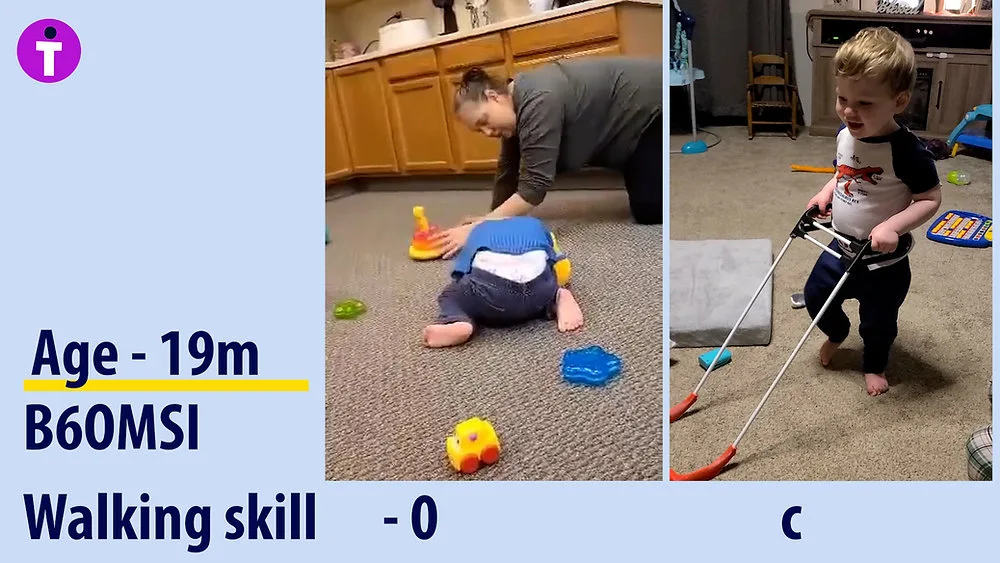
Blind Baby Safe Mobility: Walking 101 First we Safely Stand

The road towalkingbegins with weight bearing. Theinfant'sincentive for standing is to feel the joy of physical use of the body.

  • Channel: Safe Toddles

Video source: Safe Toddles

Rapid read

Key takeaways

  • 01Orientation and mobility can begin before crawling or walking because spatial learning starts earlier than independent travel.
  • 02Body awareness and directional language give blind babies a reference point before the wider environment makes sense.
  • 03Sound cues and light cues can become early landmarks when adults point them out consistently.
  • 04Simple movement games help O&M feel natural instead of turning it into a later special lesson only.
01

Start with the body, because orientation begins there first

means learning where the hands, knees, feet, and head are, then hearing adults describe where objects and people sit in relation to that body.

This is why phrases like on your right, behind your shoulder, or near your left foot do more than sound precise. They slowly build a map the child can use later when movement becomes faster and more independent.

  • 01Name body parts often during care, play, and routine transitions.
  • 02Use directional words tied to the child's body instead of vague phrases like over there.
  • 03Treat body awareness as the first O&M reference frame.
How to Start Orientation and Mobility Skills Before a Blind Baby Is Walking
02

Use sound and light cues as everyday landmarks

Blind babies can start collecting environmental clues long before they travel alone. A humming refrigerator, a ticking clock, the sound of traffic, or a bright window with usable light perception can all become pieces of orientation when adults label them consistently.

The point is not to overwhelm the child with constant narration. The point is to connect repeating sounds and sensory cues with location in a way that becomes familiar and useful over time.

  • 01Point out household sounds that stay in predictable places.
  • 02Use light sources as directional clues when the child has usable light perception.
  • 03Repeat the same landmarks enough that they become part of the child's internal map.
How to Start Orientation and Mobility Skills Before a Blind Baby Is Walking
03

Turn early orientation into games instead of waiting for formal lessons

One of the best source ideas is that early O&M does not have to look clinical. It can grow out of playful routines that teach reaching, turning, listening, and locating without making the child feel like every movement is a test.

matters because confidence often starts before technique. A child who already expects movement to reveal useful information is usually entering later formal O&M with a stronger base.

  • 01Use songs, toys, and movement prompts that invite the child to locate and reach.
  • 02Build games around turning toward sound or moving toward a known cue.
  • 03Let repetition make the lessons feel ordinary rather than special-event training.
How to Start Orientation and Mobility Skills Before a Blind Baby Is Walking
04

Think of infancy work as foundation, not as a substitute for later O&M instruction

Starting early does not mean doing everything yourself forever. It means giving later O&M instruction something stronger to build on. When the child already understands directional language, body position, and recurring landmarks, later travel skills have less brand-new material to carry.

The practical goal is not to rush the child into advanced mobility. It is to make future independence feel more coherent because the early building blocks were already there.

  • 01Use infancy work to prepare for later specialist support, not replace it.
  • 02Notice which cues the child responds to most naturally and keep building on them.
  • 03Let early O&M stay calm, consistent, and rooted in everyday life.

FAQ

Frequently asked questions

01Can orientation and mobility really start before a blind baby is walking?

Yes. Early O&M can begin with body awareness, directional language, familiar sound cues, and simple movement games long before independent walking starts.

02What should parents teach first?

Start with the child's own body and position. Naming body parts, using left-right language, and linking objects to the child's body create the first useful orientation frame.

03How do sounds help a blind baby with orientation?

Predictable sounds like a fan, refrigerator, doorway echo, or outside traffic can become landmarks when adults point them out in the same way over time.

04Does starting early replace later O&M instruction?

No. It gives later instruction a stronger base by making spatial language and environmental cues feel familiar before formal travel skills arrive.