How to Use Hand Trailing on Familiar Routes at Home

Editorial guide

How to Use Hand Trailing on Familiar Routes at Home

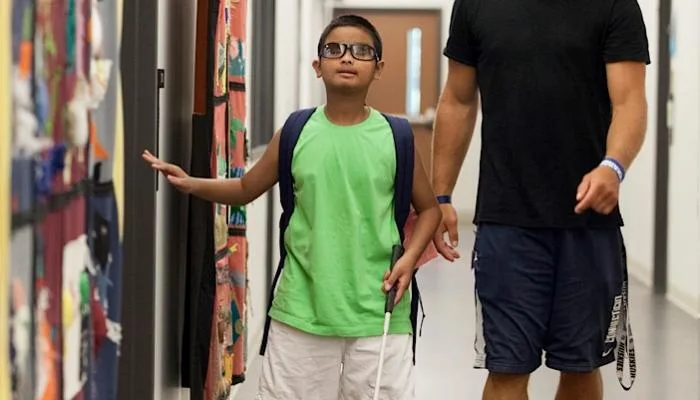
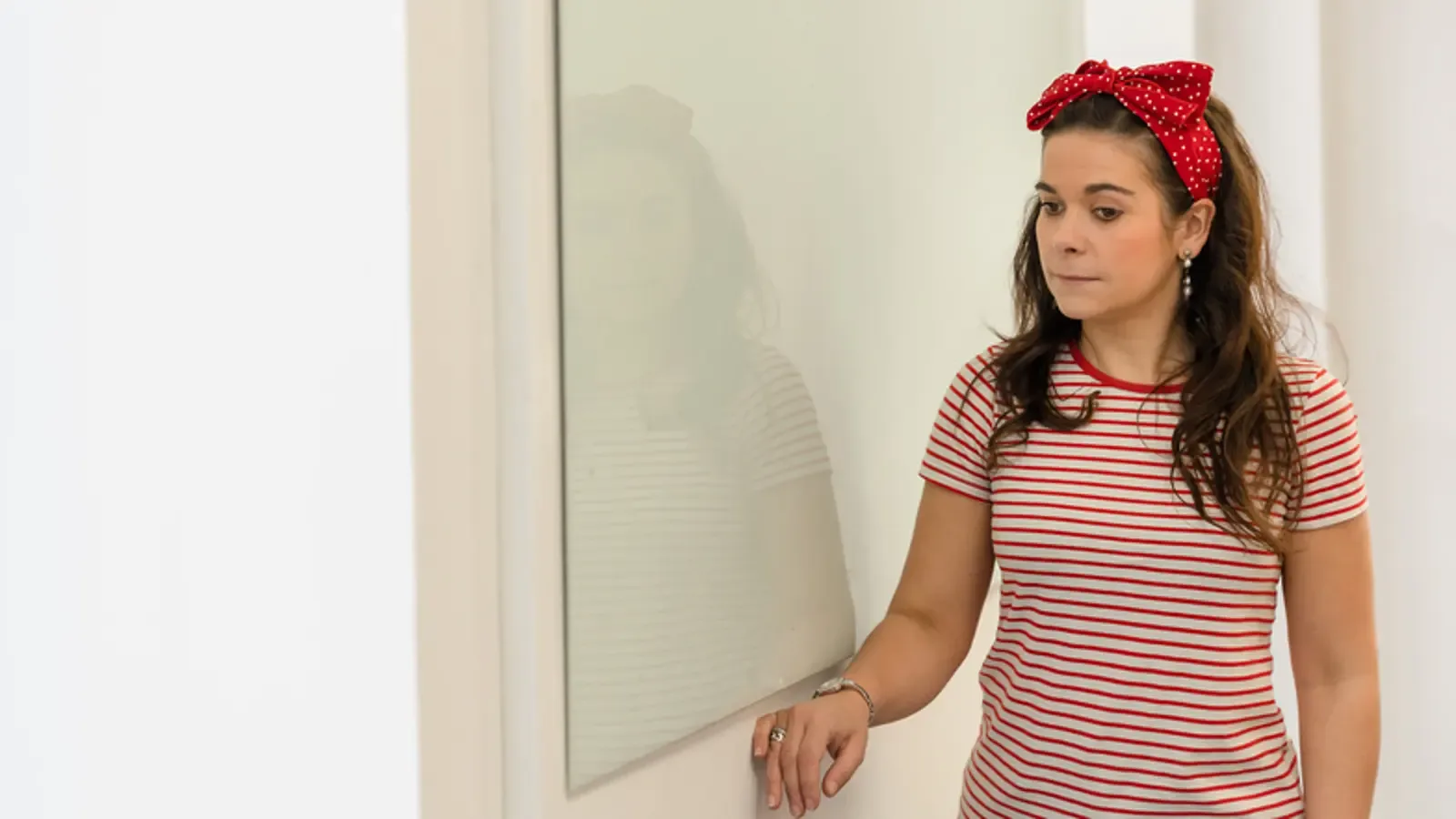
A familiar home route can become a training space when touch is used on purpose. The point is not to drag a hand along every surface. It is to let steady tactile landmarks teach where the body is, what is changing, and what comes next on the route.

Reader route
Best for Readers, families, and instructors
Use this page to Get oriented before going deeper
Next move Open related guides and checklists
Published May 26, 2026
Briefing

The key is to use touch on purpose. Hand trailing works when it supports body position, route order, and confidence—not when it turns into anxious searching for anything within reach.

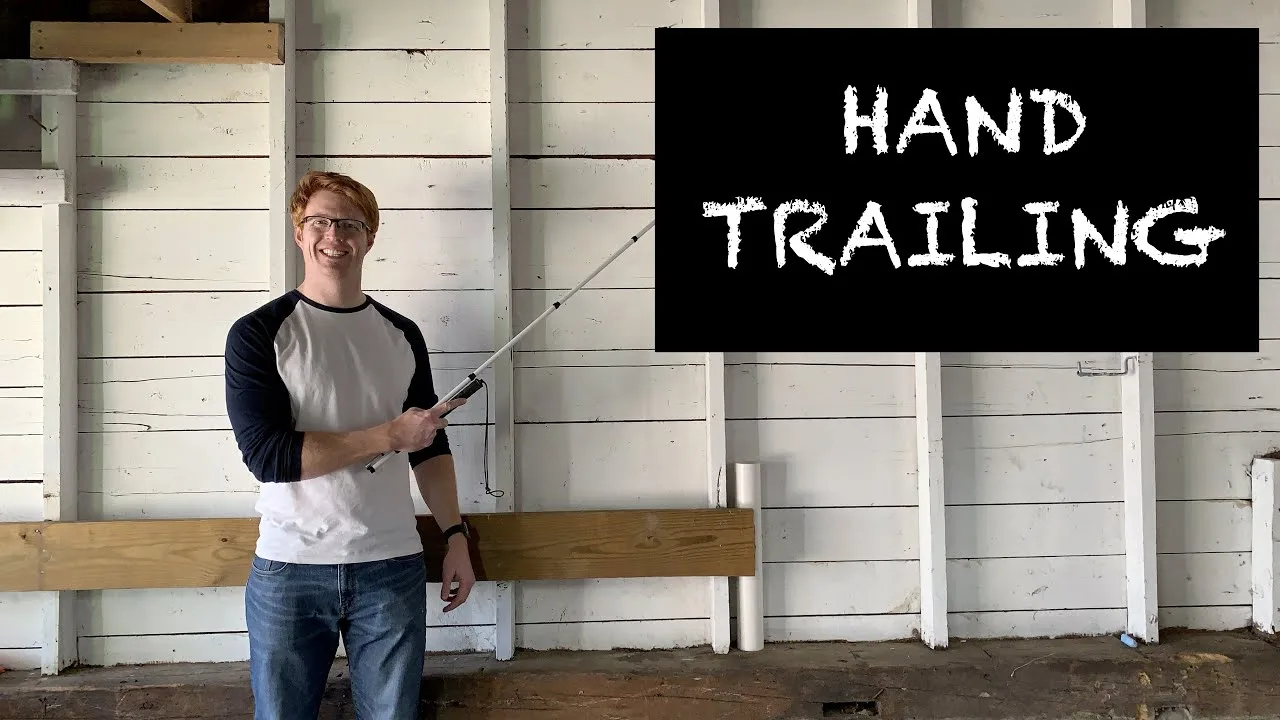
Hand Trailing - O&M Skills

Hey Bethany one of our parents was asking us abouthand trailingshould we show him what to do all right well let's first tell him ...

  • Channel: parentmobility

Video source: parentmobility

Rapid read

Key takeaways

  • 01Start on routes that repeat often enough for the tactile pattern to stay meaningful.
  • 02Hand trailing works best when the learner knows what surface or landmark is being tracked.
  • 03Good body position matters just as much as the hand itself.
  • 04Touch cues should make the route clearer, not replace all other mobility skills.
01

Begin on familiar routes where the tactile pattern stays consistent

Trailing is easiest to understand when the route already has a stable shape. A bedroom-to-bathroom path, hallway-to-kitchen turn, or doorway sequence gives the hand a reason to notice what changes and what stays the same.

consistency helps the traveler connect touch to location instead of treating every surface contact like unrelated information.

  • 01Choose a route the learner uses often.
  • 02Work on one repeatable segment before expanding farther.
  • 03Use the same start and end points long enough for the pattern to settle in.
How to Use Hand Trailing on Familiar Routes at Home
02

Teach what the hand is noticing, not just where the hand goes

A wall can confirm direction. A door frame can signal a transition. A counter edge or furniture line can mark where a turn or stop makes sense. The power of trailing comes from understanding those clues, not from dragging fingers automatically.

When the tactile meaning stays clear, the route becomes easier to remember and describe.

  • 01Name the landmark function, such as wall, doorway, corner, or opening.
  • 02Pause briefly when a surface change marks a new part of the route.
  • 03Keep the contact light and informative rather than tense.
How to Use Hand Trailing on Familiar Routes at Home
03

Protect body position and movement quality while trailing

Trailing should not collapse posture or pull the traveler sideways. The hand gathers information, but the whole body still needs to move in balance and with awareness of where the feet and shoulders are going.

is why familiar home practice matters. It gives enough safety to work on alignment instead of just trying to get through the route quickly.

  • 01Keep the body moving forward instead of twisting into the wall.
  • 02Slow down enough that the hand cue can be interpreted cleanly.
  • 03Reset posture if the route turns into leaning or stumbling.
How to Use Hand Trailing on Familiar Routes at Home
04

Use touch as one route cue among several, then gradually widen the route

Once one familiar segment feels readable, the next step is not to cling to the wall forever. It is to add route sequence, turns, room recognition, and other mobility clues around that tactile base.

progression keeps trailing useful without letting it become the only strategy the traveler trusts.

  • 01Expand from one reliable segment into a slightly longer chain.
  • 02Combine tactile cues with step count, turn direction, and room purpose.
  • 03Fade extra prompting as the route becomes more independent.

FAQ

Frequently asked questions

01What is hand trailing in orientation and mobility?

It is the controlled use of touch along a stable surface so the traveler can gather location and route clues while moving.

02Why start hand trailing at home first?

Home routes repeat often and stay relatively consistent, which makes it easier to connect tactile landmarks with real route understanding.

03Does hand trailing mean touching every surface you pass?

No. Useful trailing is selective and purposeful. The goal is to read dependable landmarks, not to reach randomly for anything nearby.