How to Tell When a Child Is Ready for a Precane or Long Cane

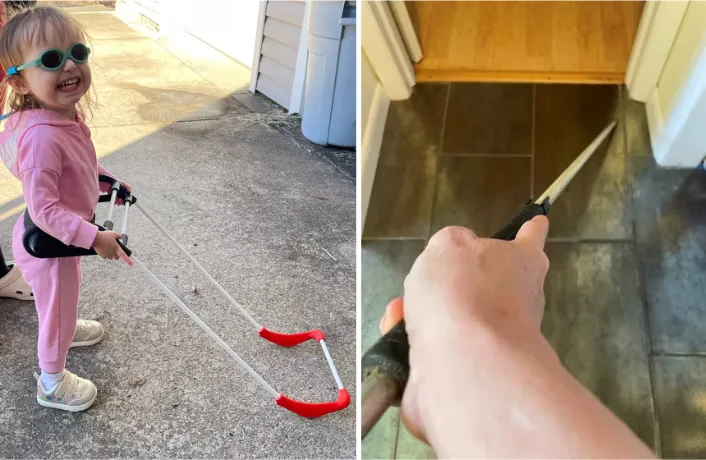
Side-by-side comparison

How to Tell When a Child Is Ready for a Precane or Long Cane

The right early mobility tool is not picked by age alone. A child is usually better served when the choice follows real posture, balance, hand use, and travel-readiness clues.

Reader route
Best for Readers, families, and instructors
Use this page to Get oriented before going deeper
Next move Open related guides and checklists
Published June 4, 2026
Briefing

A better comparison starts with what the child can already do: posture, hand use, balance, curiosity in movement, and whether the child can learn from the travel feedback the tool provides. Those clues are more useful than age by itself.

Pre-Cane Skills Training for Children with Visual Impairment

Welcome to our Orientation & Mobility training series forchildrenwith visual impairment. In this video, we will learn about ...

  • Channel: Special Educator Guide

Video source: Special Educator Guide

Rapid read

Key takeaways

  • 01Age alone is a weak way to choose between a precane and a long cane.
  • 02Posture, balance, hand use, and willingness to move independently matter more than a milestone chart.
  • 03The best tool is the one that gives useful feedback without overwhelming the child or turning movement into random pushing.
  • 04A licensed O&M specialist should help confirm the choice through direct observation and trial.
01

Start with what the child already does while moving

A readiness decision works better when it begins with observation instead of equipment labels. Watch how the child stands, reaches, explores, and reacts to bumping into edges or objects. Those movement habits reveal whether the child is ready for more forward feedback or still needs a simpler bridge tool.

The goal is not to prove that one option is more advanced. It is to choose the tool that matches the child's current way of learning through movement.

  • 01Notice whether the child moves with purpose or mostly by body contact.
  • 02Watch for how one or both hands are used during walking.
  • 03Pay attention to whether the child can respond to feedback instead of ignoring it.
How to Tell When a Child Is Ready for a Precane or Long Cane
02

Know when a precane may make more sense

A precane can be useful when a child benefits from early obstacle preview but is not yet ready to manage the reach, rhythm, or hand demands of a longer cane. It can support confidence and movement without asking for more control than the child can use productively right now.

does not make it a permanent answer. It makes it a tool that can bridge the gap between body-led movement and more intentional cane travel.

  • 01Use a precane when the child still needs a simpler path to obstacle awareness.
  • 02Look for whether the tool encourages forward exploration instead of random pushing.
  • 03Reassess regularly so the bridge tool does not become a habit that limits progress.
How to Tell When a Child Is Ready for a Precane or Long Cane
03

Know when a long cane may be the better step

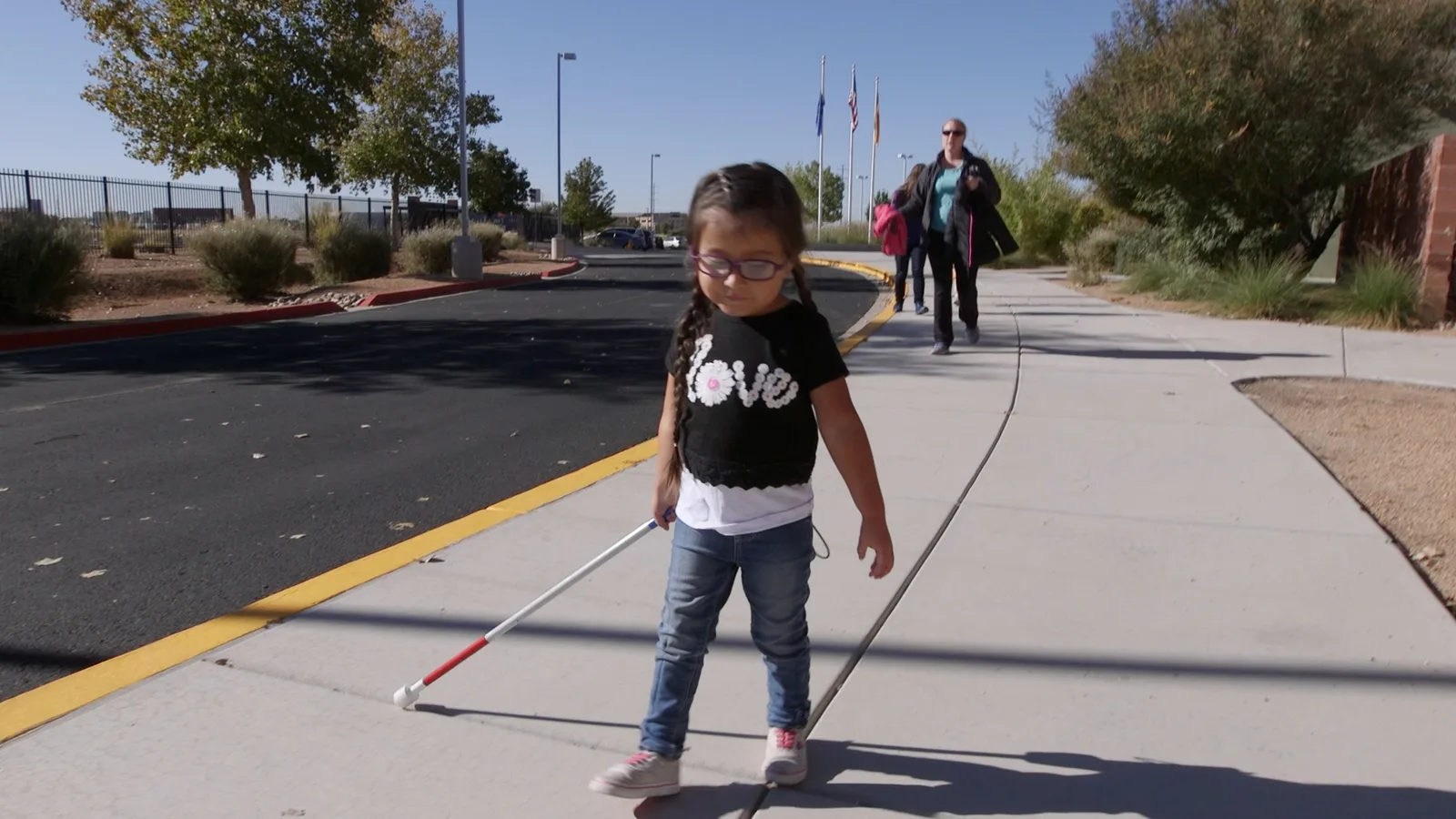
A long cane becomes more realistic when the child can handle more deliberate hand use, tolerate the tool in front of the body, and learn from the extra reach it provides. The key question is whether the added feedback helps travel become more organized and independent.

If the child can use that information meaningfully, a long cane may do more than a simpler tool because it supports earlier route planning and safer preview of obstacles.

  • 01Look for balance and posture that support more deliberate forward travel.
  • 02Check whether the child can manage the tool without constant frustration or collapse in movement.
  • 03Ask whether the longer feedback zone is improving exploration, not just adding complexity.
How to Tell When a Child Is Ready for a Precane or Long Cane
04

Use the tool choice as a conversation with your O&M specialist, not a verdict

Families do not need to solve the whole decision alone. A direct evaluation, short trials, and repeated observation usually tell you more than trying to force a perfect label from one day of movement.

The better question is what will help this child move, learn, and build confidence right now while leaving room for the next skill step later.

  • 01Bring concrete observations about posture, hand use, and obstacle response to the evaluation.
  • 02Treat the first choice as part of a learning process, not a once-and-done identity decision.
  • 03Keep watching whether the tool increases purposeful movement over time.

FAQ

Frequently asked questions

01Is age the main factor in choosing a precane or long cane?

No. Age can provide context, but posture, balance, hand function, and how well the child can use travel feedback are usually more useful than age alone.

02Does using a precane mean a child is behind?

No. A precane can be a practical bridge tool when it gives the child usable obstacle feedback without demanding more hand control than the child can manage productively.

03When should a family involve an O&M specialist?

As early as possible. A licensed O&M specialist can evaluate real movement patterns, trial tools safely, and help decide whether a precane or long cane matches the child's current travel readiness.