How to Introduce a Cane as Play for a Very Young Blind Child

Editorial guide

How to Introduce a Cane as Play for a Very Young Blind Child

Early cane work tends to go better when the child experiences it as a tool for exploring space, finding edges, and joining movement games instead of as a stressful exercise adults keep correcting.

Reader route
Best for Readers, families, and instructors
Use this page to Get oriented before going deeper
Next move Open related guides and checklists
Published June 16, 2026
Briefing

When adults introduce the cane as part of play, route discovery, and everyday exploration, the child is more likely to accept it naturally. The tone matters: the cane works best as an invitation to move and notice space, not as a sign that something is wrong.

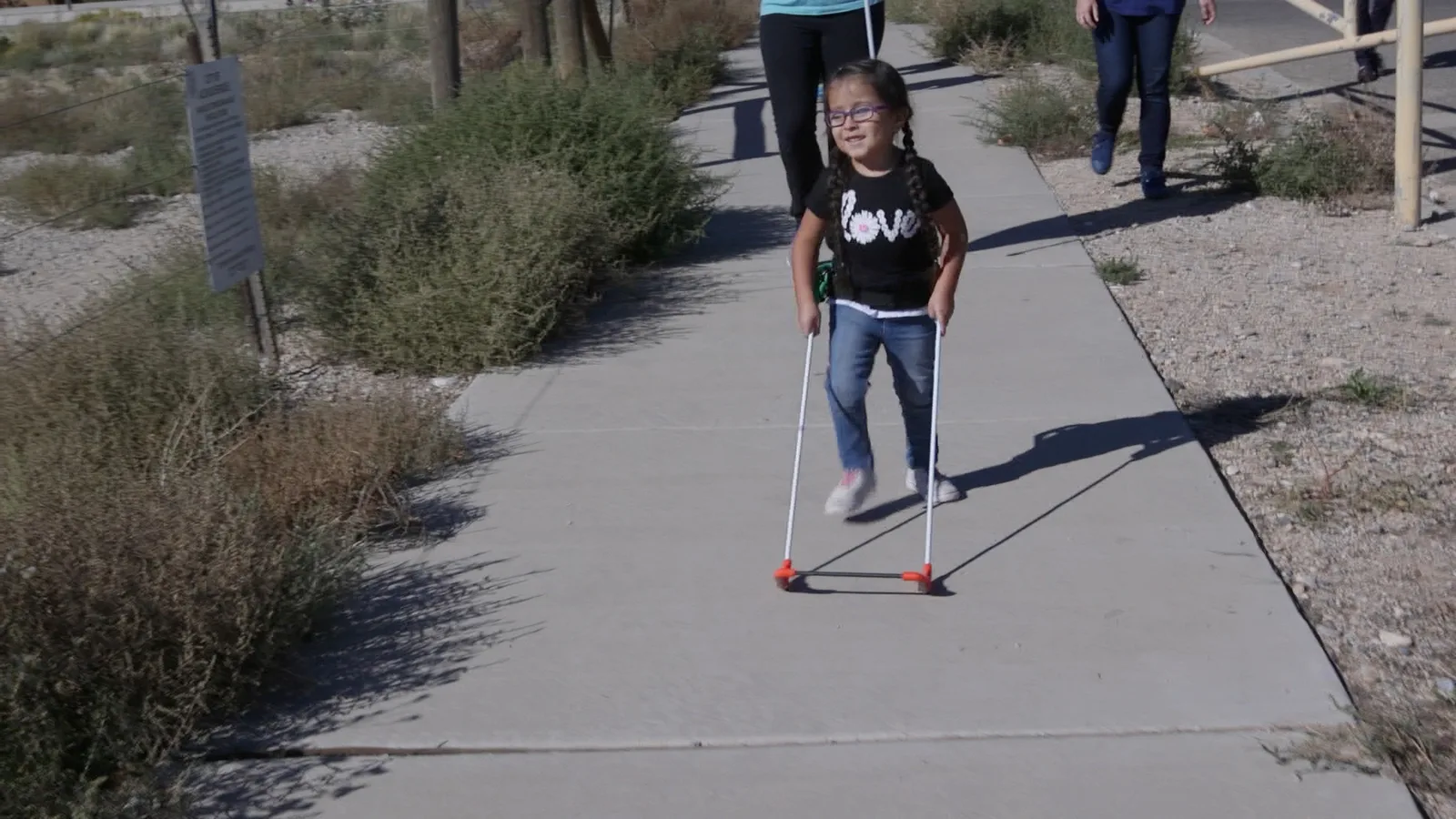
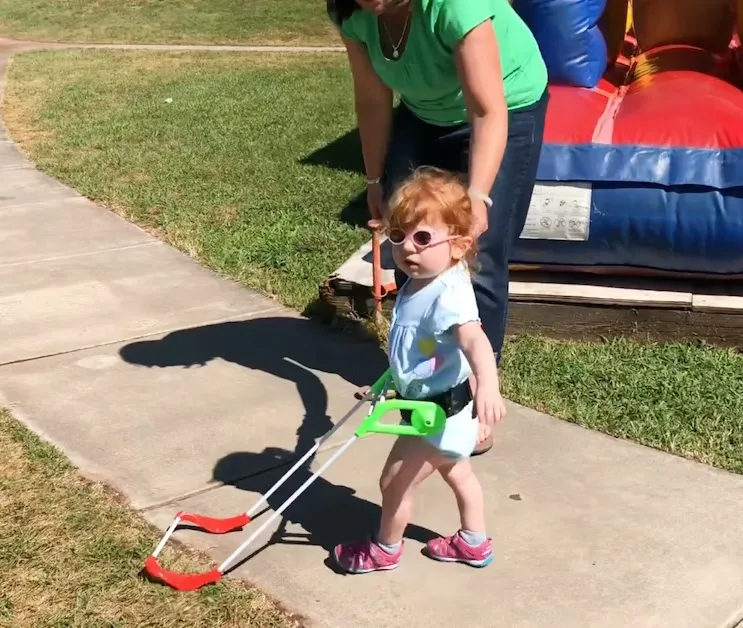
Assessment of Blind Toddler Independent Walking Physical Activity Level

Watch to end to see his first independent 12 steps ever! For a toddler with blindness (no light perception) a Pediatric BeltCaneis ...

  • Channel: Safe Toddles

Video source: Safe Toddles

Rapid read

Key takeaways

  • 01A young child usually responds better when the cane is introduced as a normal tool for exploring space.
  • 02Short play-based sessions build better habits than long correction-heavy drills.
  • 03Adults should notice what the child is learning from contact, sound, and movement instead of talking through every second.
  • 04Positive repetition across familiar rooms, sidewalks, and routines helps the cane become ordinary faster.
01

Start with a positive story about what the cane is for

A very young child does not need to carry adult assumptions about blindness into cane use. The better starting point is simple: this tool helps you find what is in front of you, notice changes in the floor, and move with more confidence.

framing keeps the cane from feeling like a punishment or a symbol of limitation. It becomes one more useful object the child can learn to trust, much like any other tool that supports movement and play.

  • 01Use plain language about finding space, edges, and obstacles.
  • 02Avoid treating the cane like proof that the child is broken or behind.
  • 03Keep the first sessions calm enough that curiosity can stay in charge.
How to Introduce a Cane as Play for a Very Young Blind Child
02

Turn early practice into movement games the child wants to repeat

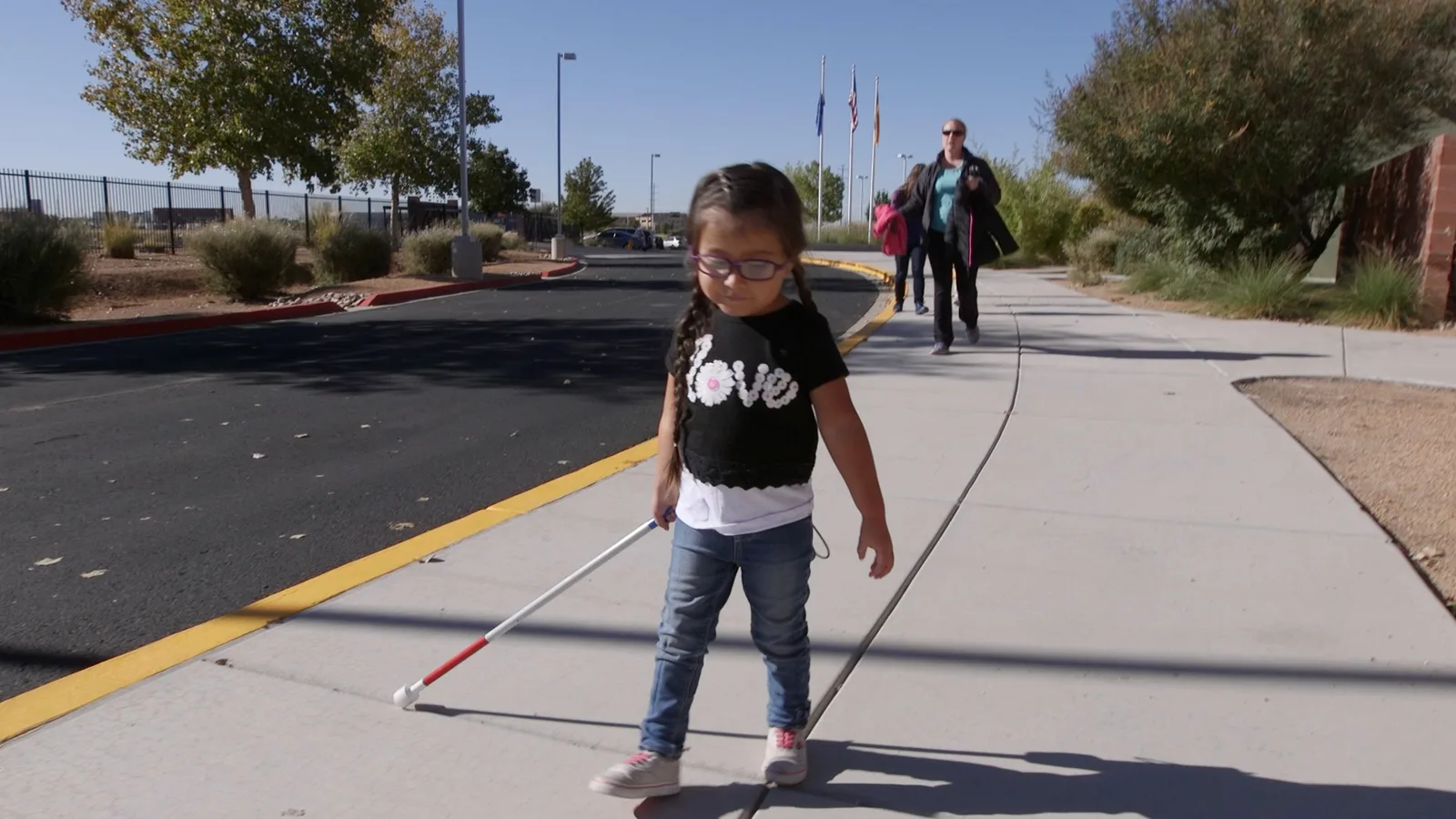
Play creates more willingness than constant instruction. A child who taps toward a doorway, follows a wall toward a favorite toy, or uses the cane during a little adventure walk is practicing real orientation ideas without carrying the emotional weight of a formal lesson.

The goal is not to disguise mobility work. The goal is to match it to how young children already learn: through repetition, curiosity, and action that has an immediate payoff.

  • 01Use short games that involve doorways, room edges, or familiar routes.
  • 02Let the child connect cane contact with what happens next in the space.
  • 03Stop while the child is still engaged instead of pushing until the mood drops.
How to Introduce a Cane as Play for a Very Young Blind Child
03

Give guidance, but leave room for discovery

Adults are helpful when they set up the environment and keep the child safe, but too much narration can crowd out learning. A child needs moments to notice, "The cane touched something," or, "The floor changed here," and then connect that clue to movement.

This does not mean silence all the time. It means stepping in with short cues, then backing off so the child can test what the cane is telling them with their own body and pace.

  • 01Use brief cues instead of constant commentary.
  • 02Wait a beat before correcting when the child is still exploring productively.
  • 03Praise the noticing and problem-solving, not just the final path.
How to Introduce a Cane as Play for a Very Young Blind Child
04

Build comfort by repeating the cane in normal routines

The cane becomes more natural when it shows up in ordinary life instead of in rare special sessions. Walking from the bedroom to the kitchen, heading to the car, or exploring a favorite outdoor path can all reinforce that the cane belongs in the child's regular world.

This steady repetition matters more than making every session impressive. Small wins across familiar routines are what turn first exposure into long-term comfort.

  • 01Reuse the cane during daily routes the child already knows well.
  • 02Mix indoor and outdoor practice so the child learns that the tool travels with them.
  • 03Keep the emotional tone steady so the cane stays ordinary, not dramatic.

FAQ

Frequently asked questions

01How young is too young to start cane exposure?

If a child is already moving, exploring, and showing curiosity about space, gentle cane exposure can start early. The focus should be on safe, positive experience rather than strict technique.

02Should early cane sessions feel like formal lessons?

Usually no. Very young children tend to learn better when the cane is part of play, routines, and short exploration tasks instead of a long correction-heavy session.

03What should adults praise during early cane work?

Praise noticing, trying, and problem-solving. When a child responds to a wall, doorway, floor change, or obstacle clue, that awareness is the real foundation you want to strengthen.