
Tools & Products
Assistive Tools and Product Guides
Reviews, comparisons, and editorial buying guidance for assistive tools, labeling systems, braille products, and everyday blind-access equipment.
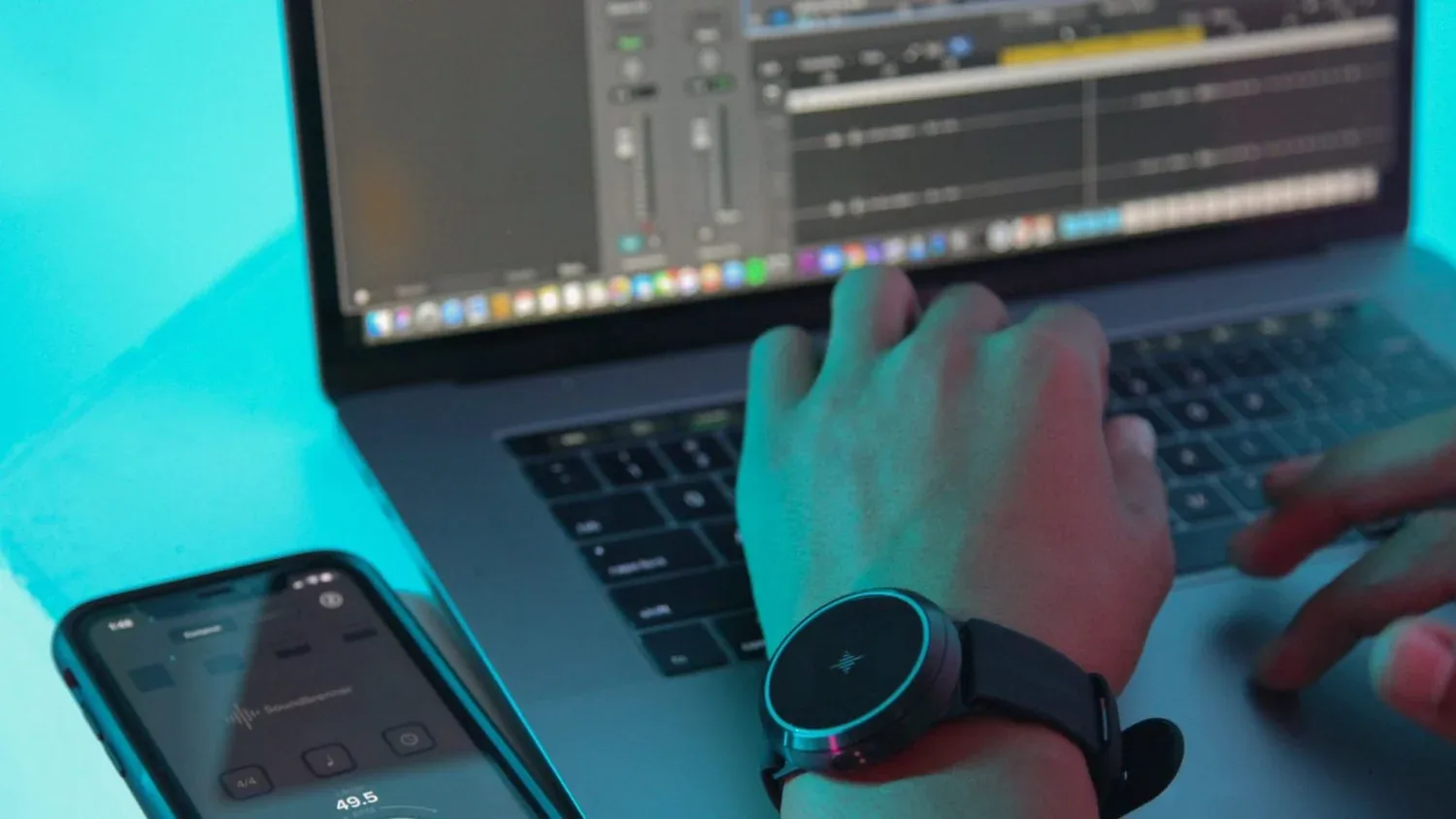
Free Accessible Metronome Apps for Blind and Low-Vision Musicians
Compare free accessible metronomes for VoiceOver, TalkBack, keyboard input, high-contrast displays, browser use, and hands-free Alexa control.
01 · Open guide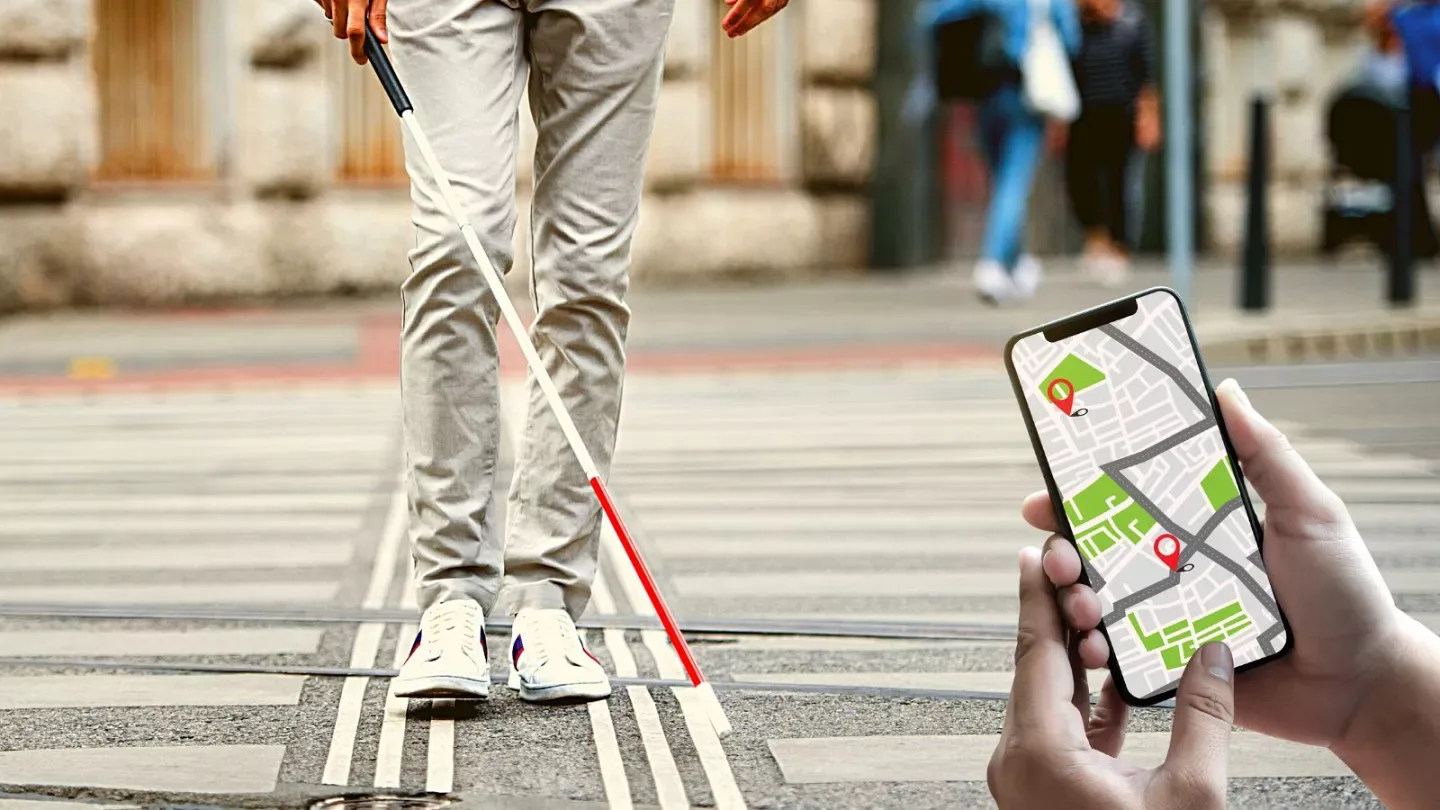
How I use my smartphone for traveling
A focused guide to How I use my smartphone for traveling built around practical details from a vetted article.
02 · Open guide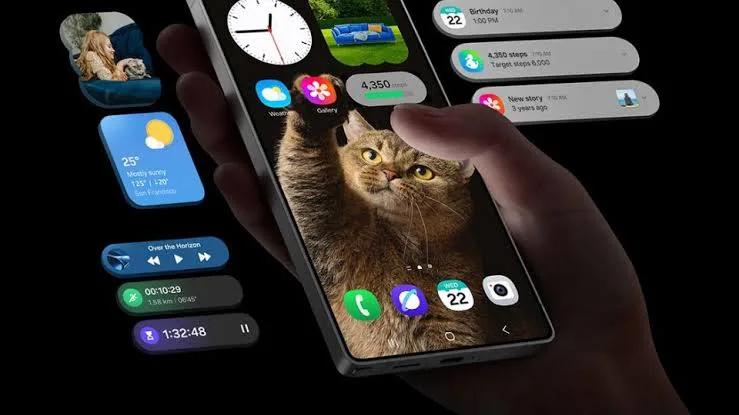
Smartphones and tablets for Greater Independence in Everyday Life
A focused guide to Smartphones and tablets for Greater Independence in Everyday Life built around practical details from a vetted article.
03 · Open guide
How Adapted Ride-On Toys Can Support Early Mobility and Play
Adapted ride-on toys can help children with movement challenges explore, play, and interact socially when adults treat mobility as participation, keep adaptations child-specific, and prioritize safety and developmental joy.
04 · Open guide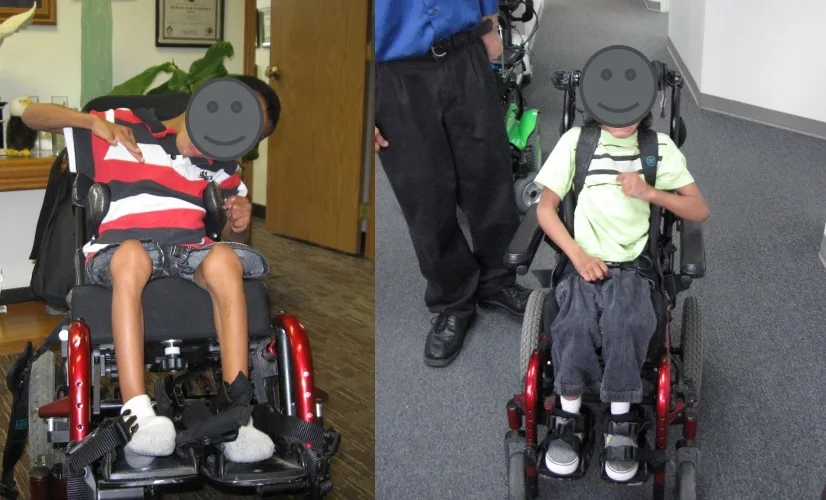
How to Judge a Mobility Seating Tool by the Independence It Actually Adds
An adaptive mobility seat is only useful when it expands route participation, transfer confidence, and daily decision-making instead of just looking clever in a demo.
05 · Open guide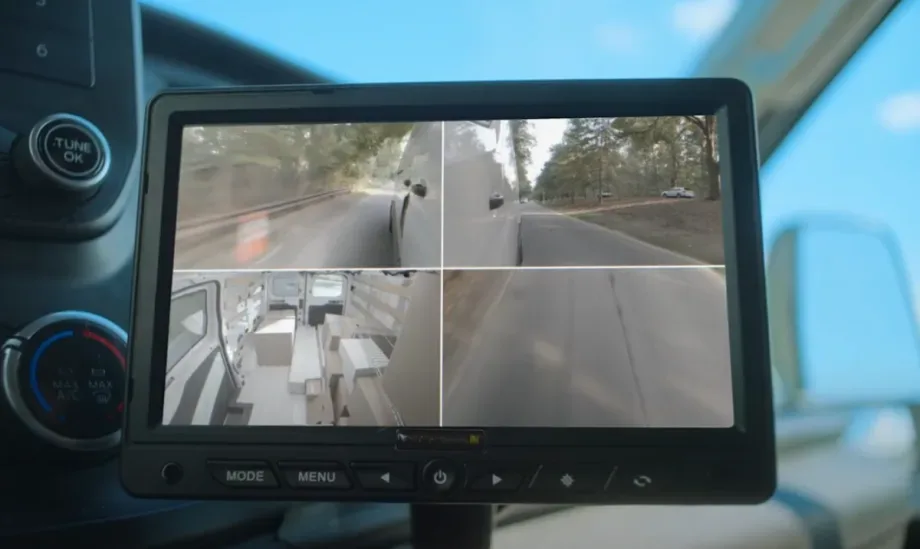
How to Judge Navigation Apps by What They Do for Real Independence
A navigation app matters less for how futuristic it sounds and more for whether it gives usable real-time cues without adding confusion, delay, or social friction to everyday travel.
06 · Open guide
How to Compare Navigation Tools Before You Depend on Them in an Unfamiliar Place
Navigation technology helps most when you know what job it is solving, what it still misses, and how it behaves on familiar routes before you trust it in a new place.
07 · Open guide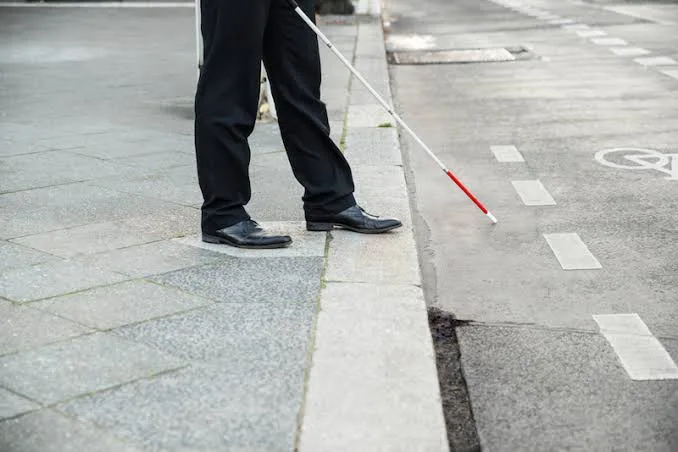
How to Evaluate a Face-Alert Smart Cane Before You Trust It in Public
Evaluate a face-alert smart cane before you trust it in public by testing recognition timing, vibration clarity, battery behavior, and how the alerts fit with ordinary cane travel.
08 · Open guide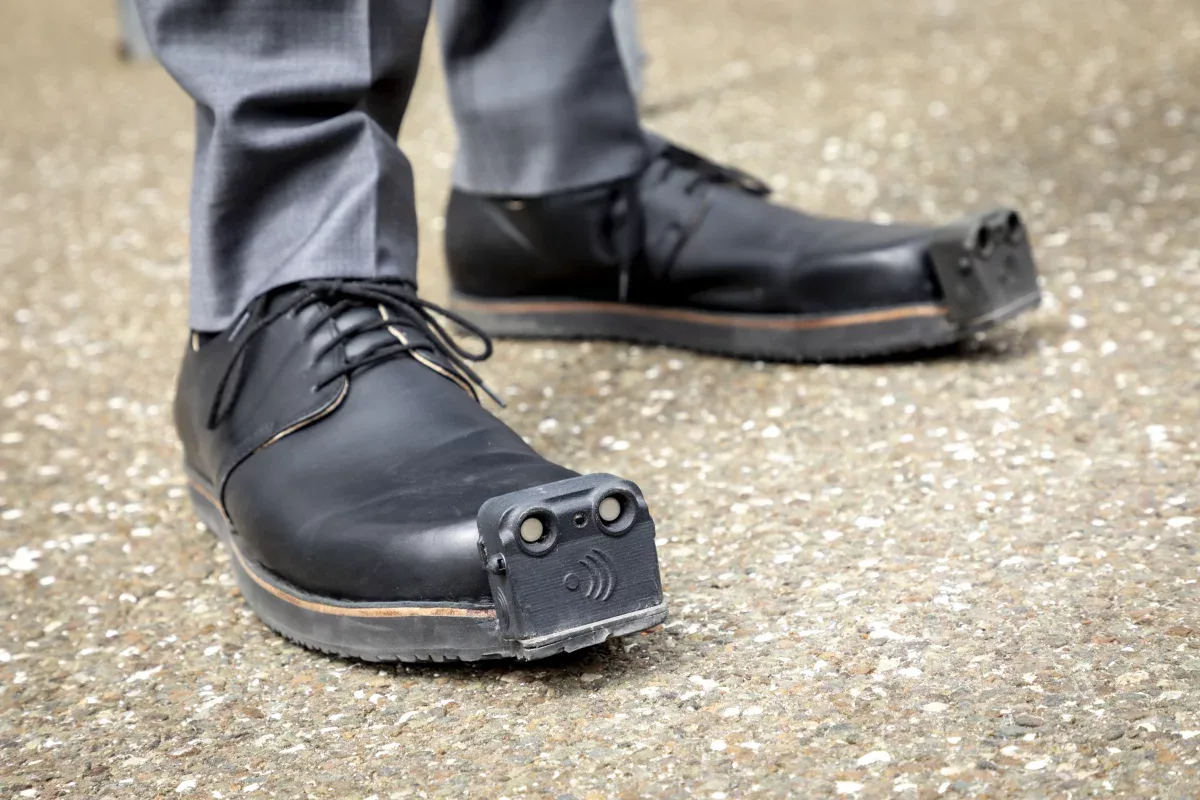
How to Evaluate Direction-Cue Shoes Before You Trust Them on a Real Route
Evaluate direction-cue shoes before you trust them on a real route by testing signal clarity, GPS timing, cane fit, and what happens when street conditions stop being neat.
09 · Open guide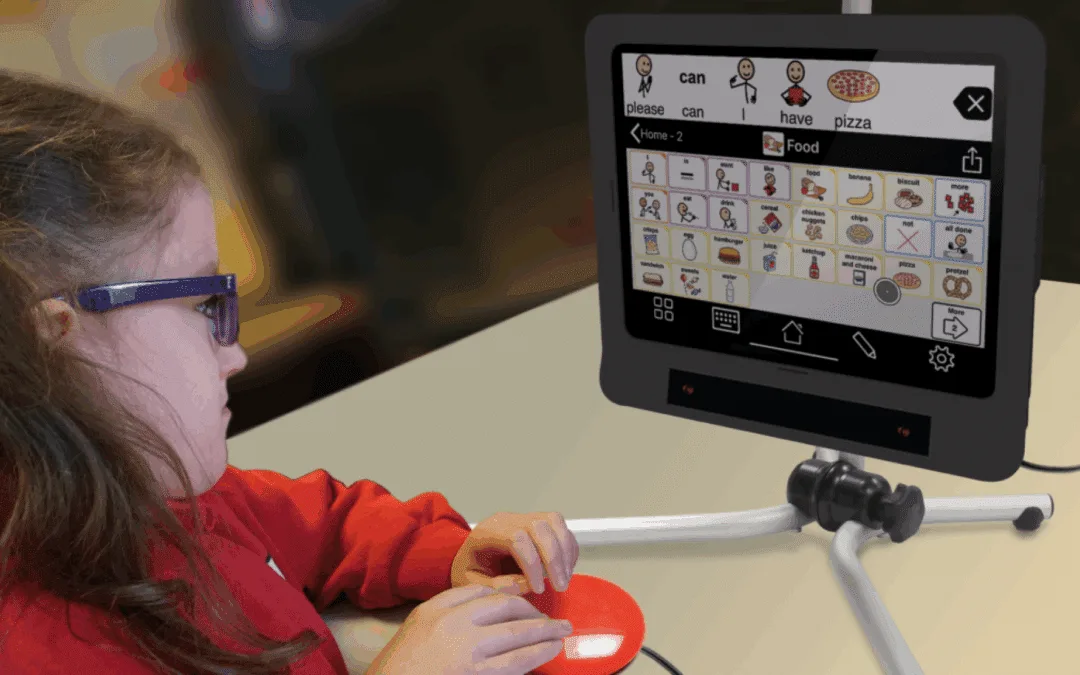
How to Judge New Assistive Tech Announcements Before You Change a Routine
Judge new assistive tech announcements before you change a routine by checking the exact task, real-world feedback, safety tradeoffs, and training burden instead of trusting the demo alone.
10 · Open guide
How to Compare Everyday Apps That Actually Help a Blind Routine
Compare everyday apps that actually help a blind routine by checking task fit, VoiceOver friction, setup speed, and whether the app solves a real repeated problem instead of adding another screen to manage.
11 · Open guide
How to Evaluate Smart Glasses for Blind Travel
Evaluate smart glasses for blind travel by checking obstacle feedback, indoor and outdoor reliability, learning curve, and how well the device works alongside your current cane, guide, or route habits.
12 · Open guide
Accessible Cooking Apps for Blind and Low Vision
Accessible cooking apps help most when they reduce kitchen guesswork with spoken steps, adjustable timers, hands-free use, and grocery or measurement support that still works while your hands are busy.
13 · Open guide
Is a Talking Scale Better Than a Braille Scale?
Sometimes, but not always. The better choice depends on where the scale will be used, how much noise is around, and whether spoken output or tactile reading fits the routine better.
14 · Open guide
Before You Buy Assistive Tech Checklist
A buying checklist prevents avoidable regret by forcing the decision back onto routine fit, learning curve, maintenance, and failure points.
15 · Open guide