How Adapted Ride-On Toys Can Build Early Independent Movement

Editorial guide

How Adapted Ride-On Toys Can Build Early Independent Movement

A powered ride-on toy can do more than entertain. For some children, it becomes one of the first ways to move by choice, reach other kids, and connect action with direction before more formal mobility tools take center stage.

Reader route
Best for Readers, families, and instructors
Use this page to Get oriented before going deeper
Next move Open related guides and checklists
Published June 23, 2026Updated June 22, 2026
Briefing

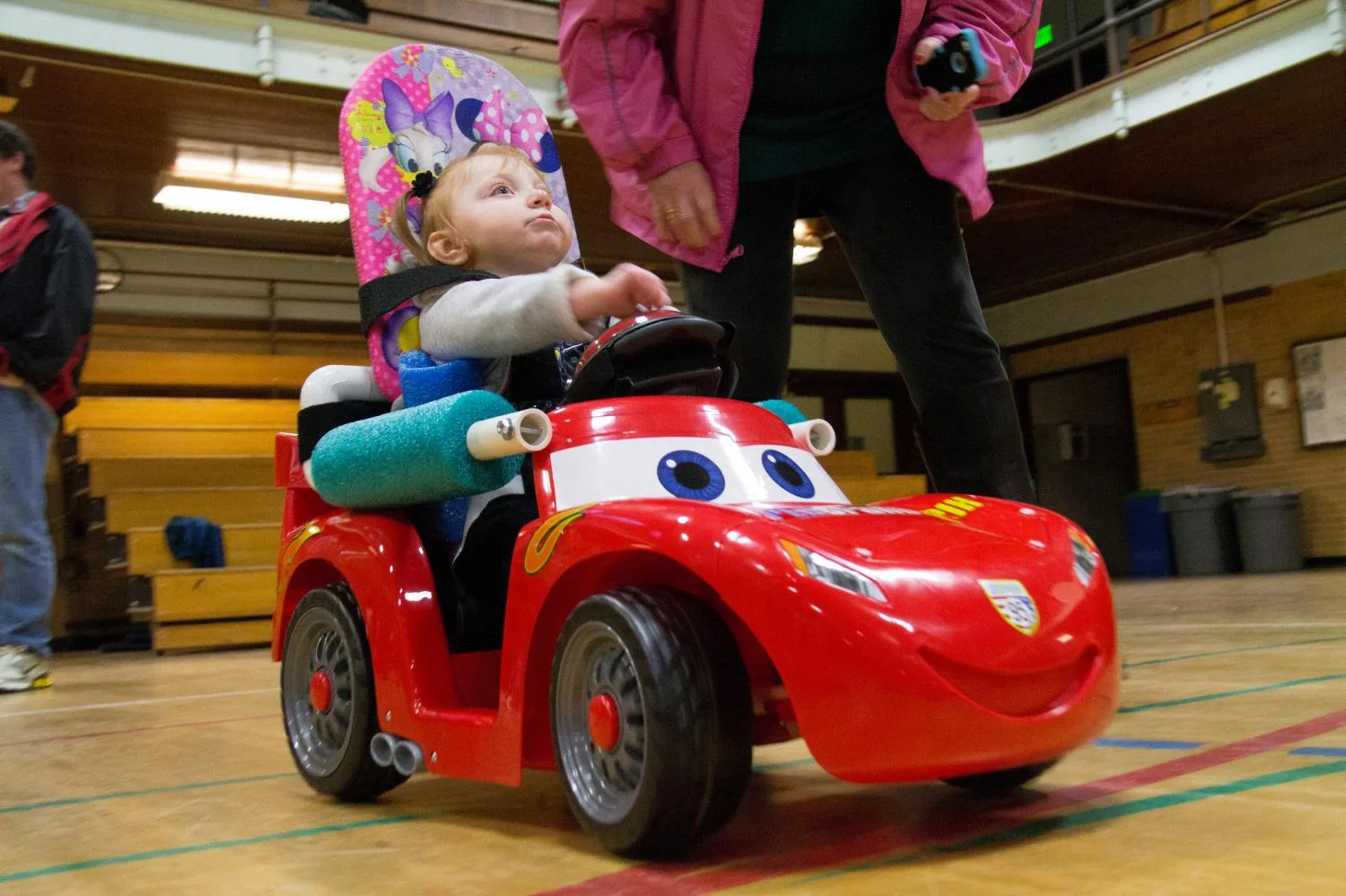
Adapted ride-on toys can help fill that gap when they are fitted thoughtfully. A playful device with the right support, switch access, and safe route setup can create early independent movement in a way that feels natural to a child instead of looking like one more piece of equipment adults manage for them.

Volunteers build adaptive toy cars for kids with mobility impairments

Getting all the pieces just right and working together tobuildthem, Comcast workers took over the parking lot of their Tigard ...

  • Channel: KGW News

Video source: KGW News

Rapid read

Key takeaways

  • 01Adapted ride-on toys matter because they can create self-directed movement, not just passive positioning.
  • 02Simple features such as straps, rails, or a large activation switch can change whether the toy is actually usable.
  • 03The room layout, supervision plan, and child's motor control matter as much as the toy itself.
  • 04A playful mobility option works best when it supports exploration and choice-making that later O&M instruction can build on.
01

Start with the movement problem you are trying to solve

An adapted ride-on toy is useful when the goal is to give a child more chances to move by choice, reach people or objects independently, and link motion with cause and effect. It is a weaker choice when adults are mostly hoping the device will look impressive without matching a real movement need.

is why the first question is simple: what does the child gain from self-propelled movement right now that they are not getting from current equipment or adult-guided movement alone?

  • 01Define the missing opportunity first: exploration, peer play, reaching targets, or route practice.
  • 02Focus on self-directed movement rather than novelty.
  • 03Use the device only when it solves a real access problem for the child.
How Adapted Ride-On Toys Can Build Early Independent Movement
02

Check whether the controls and body support match the child

A ride-on toy becomes more useful when the child can activate it reliably and stay positioned well enough to benefit from the movement. That may mean a large switch, added side support, simple straps, or a steering setup that does not ask for more control than the child can give yet.

The right adaptation is usually the smallest one that creates usable access. Too little support makes the toy frustrating. Too much complexity can turn a playful mobility tool into a difficult therapy machine.

  • 01Check how the child starts, stops, and maintains position during movement.
  • 02Use simple supports before adding complicated features.
  • 03Match the control method to the child's strongest repeatable movement.
How Adapted Ride-On Toys Can Build Early Independent Movement
03

Set up the environment so the child can succeed quickly

The toy is only one part of the mobility setup. Open floor space, a clear destination, manageable sound, and predictable supervision often determine whether the child experiences real exploration or just confusing collisions.

Early success usually comes from short repeatable routes and obvious goals such as reaching a sibling, a favorite toy, or a familiar play zone. That kind of environment helps movement become meaningful instead of random spinning.

  • 01Begin in simple spaces with clear targets and limited obstacles.
  • 02Use supervision that keeps the route safe without taking away every choice.
  • 03Build from short successes before expecting complex navigation.
How Adapted Ride-On Toys Can Build Early Independent Movement
04

Connect playful movement to later orientation and mobility goals

A ride-on toy is not a replacement for later O&M instruction, but it can support the foundations that formal instruction needs: movement by choice, understanding cause and effect, tolerating route changes, and noticing how actions change position in space.

When adults watch for those learning moments, the device becomes more than fun transportation. It becomes one more way to strengthen independence before canes, route strategies, and more complex travel tasks enter the picture.

  • 01Notice how the child chooses direction, recovers from obstacles, and repeats useful routes.
  • 02Treat play-based mobility as a bridge to later independence, not as a side show.
  • 03Involve O&M guidance when the child is ready to turn playful movement into broader travel skills.

FAQ

Frequently asked questions

01Why can an adapted ride-on toy matter for early mobility?

Because it can give a child self-directed movement, which supports exploration, social contact, and choice-making in ways passive seating or adult-guided movement often cannot.

02What adaptations usually matter most?

The useful basics are reliable activation, stable body support, and a setup the child can use repeatedly. Large switches, simple straps, and side supports often matter more than complicated add-ons.

03Does a ride-on toy replace orientation and mobility instruction?

No. It can support early independence and movement learning, but it works best as a foundation that later O&M instruction can build on.

04What makes the setup fail most often?

Mismatch is the biggest problem: a control method the child cannot use consistently, an environment with too much chaos, or supervision that either removes all choice or leaves the route unsafe.