How Anticipators Help Young Children Build Early Mobility Skills

Editorial guide

How Anticipators Help Young Children Build Early Mobility Skills

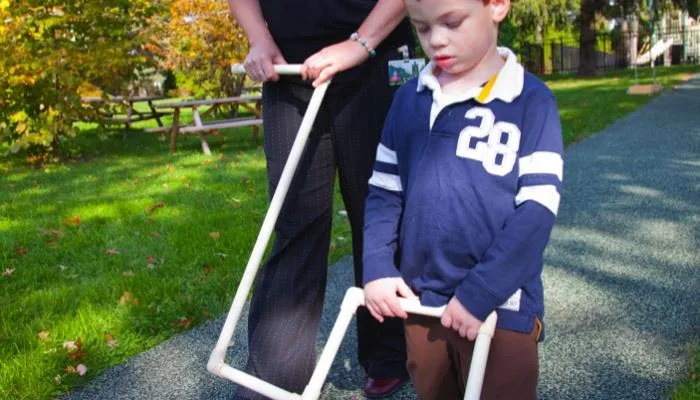
An anticipator is not just a toy to push around the room. For some young children, it becomes the first tool that teaches how movement changes when something is in the way before their body reaches it.

Reader route
Best for Readers, families, and instructors
Use this page to Get oriented before going deeper
Next move Open related guides and checklists
Published May 28, 2026
Briefing

The practical question is not whether every child should get the same device. The better question is what kind of early walker you are supporting, how much balance help they need, and whether the tool helps them move more independently instead of just giving adults another object to manage.

Pre-Cane Skills Training for Children with Visual Impairment

Welcome to our Orientation & Mobility training series forchildren with visual impairment. In this video, we will learn about ...

  • Channel: Special Educator Guide

Video source: Special Educator Guide

Rapid read

Key takeaways

  • 01Anticipators help young children notice obstacles before body contact and can support early route confidence.
  • 02Push toys, pre-canes, and long canes do different jobs, so the best choice depends on posture, balance, and hand use.
  • 03An O&M specialist should guide selection and teaching so the device builds safe habits instead of random pushing.
  • 04Early lessons should stay simple: move forward, notice the stop, recover, and try again with support.
01

What an anticipator actually teaches

An anticipator teaches cause and effect in motion. The child pushes the device forward, feels it stop or change direction, and learns that the environment has changed before their own body reaches the obstacle.

early feedback matters because it builds independence in a way that constant hand-holding cannot. The child starts reading the space through action rather than waiting for an adult to guide every step.

  • 01The device meets obstacles first.
  • 02The child gets earlier warning than direct body contact would provide.
  • 03feedback can reduce hesitation and encourage more self-directed movement.
How Anticipators Help Young Children Build Early Mobility Skills
02

How push toys, pre-canes, and long canes differ

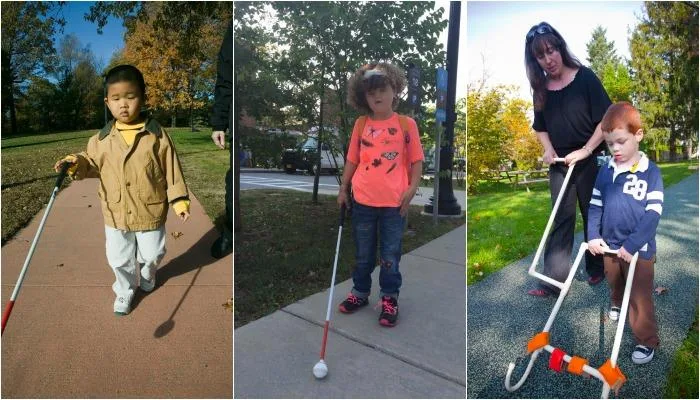
Push toys often feel natural for very young children because they already fit play and forward movement. Pre-canes can add more deliberate obstacle contact, while a long cane begins to look more like the formal mobility tool a child may use later.

The right step depends on readiness, not on rushing toward the most advanced-looking option. A device should match the child's size, motor control, and daily spaces before it matches anyone's idea of what is supposed to come next.

  • 01Push toys can work well for the earliest walkers who need a familiar form.
  • 02Pre-canes help bridge the gap between play-based movement and formal cane ideas.
  • 03Long canes make more sense when the child can carry and move the tool with purpose.
How Anticipators Help Young Children Build Early Mobility Skills
03

What to look at before choosing a device

Selection should start with the child's movement pattern. Balance, posture, arm position, walking speed, and whether one or two hands work better all change which device will actually help instead of frustrate the child.

Environment matters too. A device that works on smooth indoor floors may behave differently around thresholds, furniture clusters, or uneven outdoor surfaces, so early trials should happen where the child really moves every day.

  • 01Match the device to posture and balance needs first.
  • 02Notice whether one-hand or two-hand use keeps movement steadier.
  • 03Test the tool in real home and classroom paths, not just open empty space.
04

How early anticipator lessons should begin

Early teaching should stay concrete. Move forward, feel the stop, pause, and learn how to recover direction without turning the lesson into a lecture. Repetition matters more than complexity at this stage.

Adults should resist over-helping once the child understands the basic pattern. Good instruction keeps safety in place while still giving the child enough room to notice what the device is telling them.

  • 01Start with short repeatable routes.
  • 02Teach stop, pause, and recover before adding harder choices.
  • 03Use coaching that supports independence instead of taking over the movement.

FAQ

Frequently asked questions

01What is an anticipator for a child with visual impairment?

It is a device the child pushes in front while walking so they get advance feedback about obstacles or route changes before their body reaches them.

02Is a push toy enough, or does a child need a pre-cane?

It depends on the child. A push toy can work well at the earliest stage, while a pre-cane may fit better when the child is ready for more deliberate obstacle contact and tool control.

03Who should help choose an anticipator?

An orientation and mobility specialist should lead the decision because device fit depends on movement pattern, posture, environment, and how the child uses the tool in real routes.

04What is the first skill to teach with an anticipator?

Teach the child to move the device forward, notice when it stops, and recover direction calmly. That simple sequence creates the foundation for later mobility skills.