How to Compare Navigation Tools Before You Depend on Them in an Unfamiliar Place

Side-by-side comparison

How to Compare Navigation Tools Before You Depend on Them in an Unfamiliar Place

A navigation tool becomes useful only after it proves where it helps, where it fails, and how it fits beside existing O&M skills.

Reader route
Best for Readers, families, and instructors
Use this page to Get oriented before going deeper
Next move Open related guides and checklists
Published June 24, 2026
Briefing

the rewrite should go one step further and teach readers how to compare tools before they trust them outside familiar routines.

This should read like route coaching, not gadget hype. The question is not whether a tool is impressive. The question is whether it reliably helps with a job you actually need done.

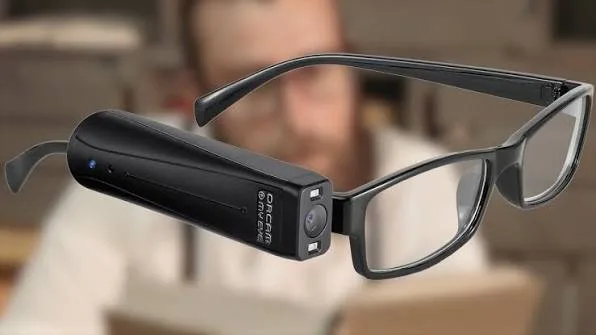
Assistive Technology for Students with Visual Impairments

In this video, we explore the transformative role ofassistive technology(AT) in empowering studentswithvisual impairments to ...

  • Channel: AdaptED: SPED & Therapy

Video source: AdaptED: SPED & Therapy

Rapid read

Key takeaways

  • 01Compare tools by task: route guidance, obstacle awareness, landmark confirmation, or confidence building.
  • 02Do not treat a new app or device as a replacement for cane skills, route knowledge, or O&M instruction.
  • 03Test on known routes first so failures stay educational instead of dangerous.
  • 04Portability, battery behavior, and speed of use matter as much as headline features.
01

Define the job before you compare features

Some tools help with turn-by-turn structure. Others are better for confirming landmarks, detecting obstacles, or making an unfamiliar area feel less abstract. Those are different jobs, and readers should stop ranking them as if one device can do everything equally well.

The rewrite should teach readers to compare by route problem, not by marketing excitement.

How to Compare Navigation Tools Before You Depend on Them in an Unfamiliar Place
02

Test on familiar ground first

A familiar route gives you enough control to notice whether the tool is late, vague, noisy, or genuinely helpful. That makes the learning curve useful instead of risky.

Readers should be encouraged to notice failure patterns before they stake a busy street, transit transfer, or first-time destination on the device.

How to Compare Navigation Tools Before You Depend on Them in an Unfamiliar Place
03

Check portability and workflow friction

A navigation aid that takes too long to launch, drains the phone, or forces awkward handling may look promising on paper but fail in routine use. Practical travel tools need to fit how people actually move.

This section should help readers think about battery, carrying method, headphones, hand availability, and how fast they can recover when the tool misbehaves.

How to Compare Navigation Tools Before You Depend on Them in an Unfamiliar Place
04

Decide what trust level the tool has earned

Not every useful tool deserves full trust. Some devices are great for confirmation, while others are good for exploration support but still weak on precise timing or obstacle detail.

End by helping readers create trust tiers so a tool can earn a role without being forced into a role it has not actually proved.

FAQ

Frequently asked questions

01Should a blind traveler replace cane or O&M skills with a navigation app?

No. Navigation tools should support travel decisions, not replace core mobility skills and route judgment.

02What is the best way to test a new navigation tool?

Start on a route you already know well so you can compare the tool's cues against reality without adding avoidable risk.

03What usually matters more than feature lists?

Reliability, speed, battery behavior, and whether the tool solves a specific travel problem consistently.