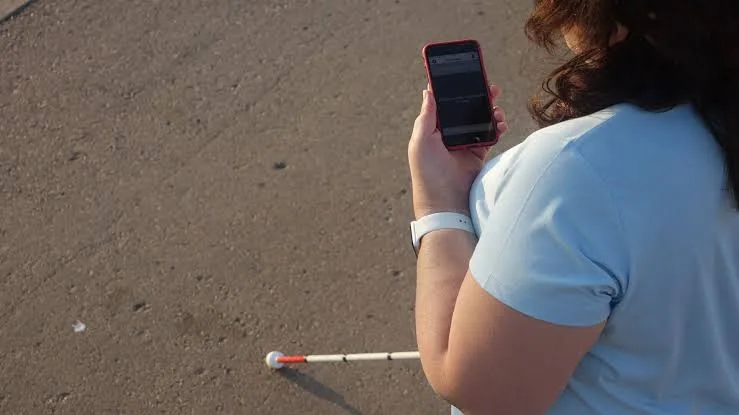
How I use my smartphone for traveling

Editorial guide

How I use my smartphone for traveling

A closer look at How I use my smartphone for traveling and the details that shape the outcome.

Reader route
Best for Readers, families, and instructors
Use this page to Get oriented before going deeper
Next move Open related guides and checklists
Published August 28, 2026
Briefing

Airports add another layer of complexity, and a handful of connection-assistance apps can point you toward gates while syncing flight updates. Both United Airlines and American Airlines provide their own gate-help applications, though I have not personally verified how well they address accessibility needs.

🔊 7 Life-Changing Apps Every Blind or Visually Impaired Person Should Know (2025)

In 2025, these 7 revolutionary apps are changing lives for blind and visually impaired users worldwide. From AI-powered ...

  • Channel: All Things IT

Video source: All Things IT

Rapid read

Key takeaways

  • 01Begin with the person’s actual goal and current access barriers instead of assuming one solution fits every blind or low-vision user.
  • 02Confirm eligibility, location, cost, training requirements, and ongoing support before relying on a service or tool.
  • 03Test one change in the real environment, note what becomes easier or less dependable, and adjust the routine from that evidence.
01

Long before video-magnifier apps entered my routine, I relied on the Camera app to enlarge small print and get quick visual boosts. I also reach for OCR scanner apps whenever I need to lock in a document or a sign for later reference, and I use pinch-to-zoom to blow up text already displayed onscreen.

Still, pictures of text present a stubborn problem. I prefer reading information visually, but a dense block of text lifted from a photo or pulled from a screenshot can be nearly impossible to enlarge into a readable font size. I ran into this recently when a friend forwarded a screenshot of a day-trip itinerary, and I could not stretch the text large enough to make it work.

Dedicated magnifier apps bridge that gap by layering optical-character-recognition onto the camera feed. Pixel Magnifier and iOS Magnifier both offer built-in text recognition that reads content aloud or renders it in large print. To grab text in Pixel Magnifier, you tap the capture button to freeze the frame and then select the Google Lens icon—the camera symbol—to pull the characters. With iOS Magnifier, the workflow is similar: freeze the image, then tap Reader or Detect to surface and vocalize the text.
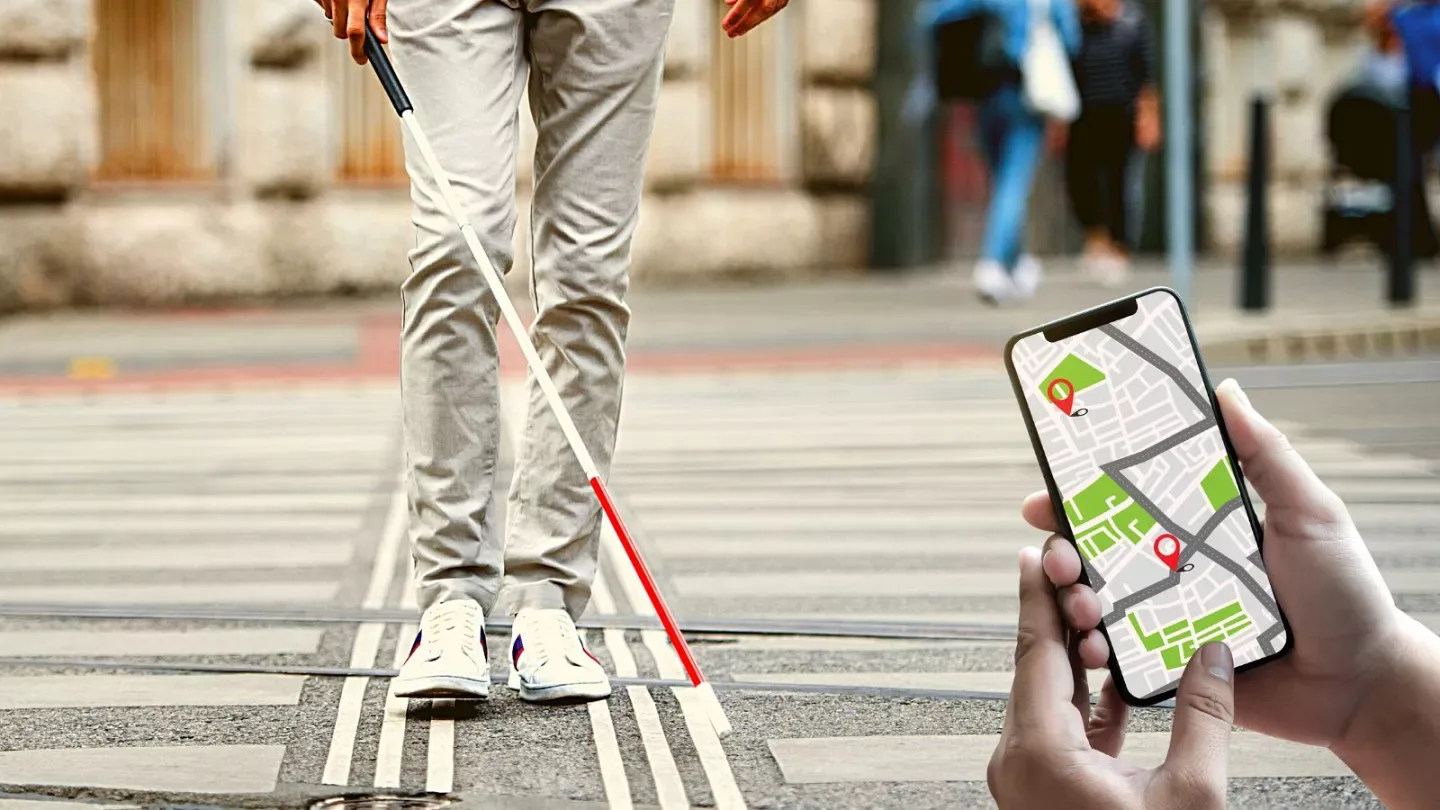
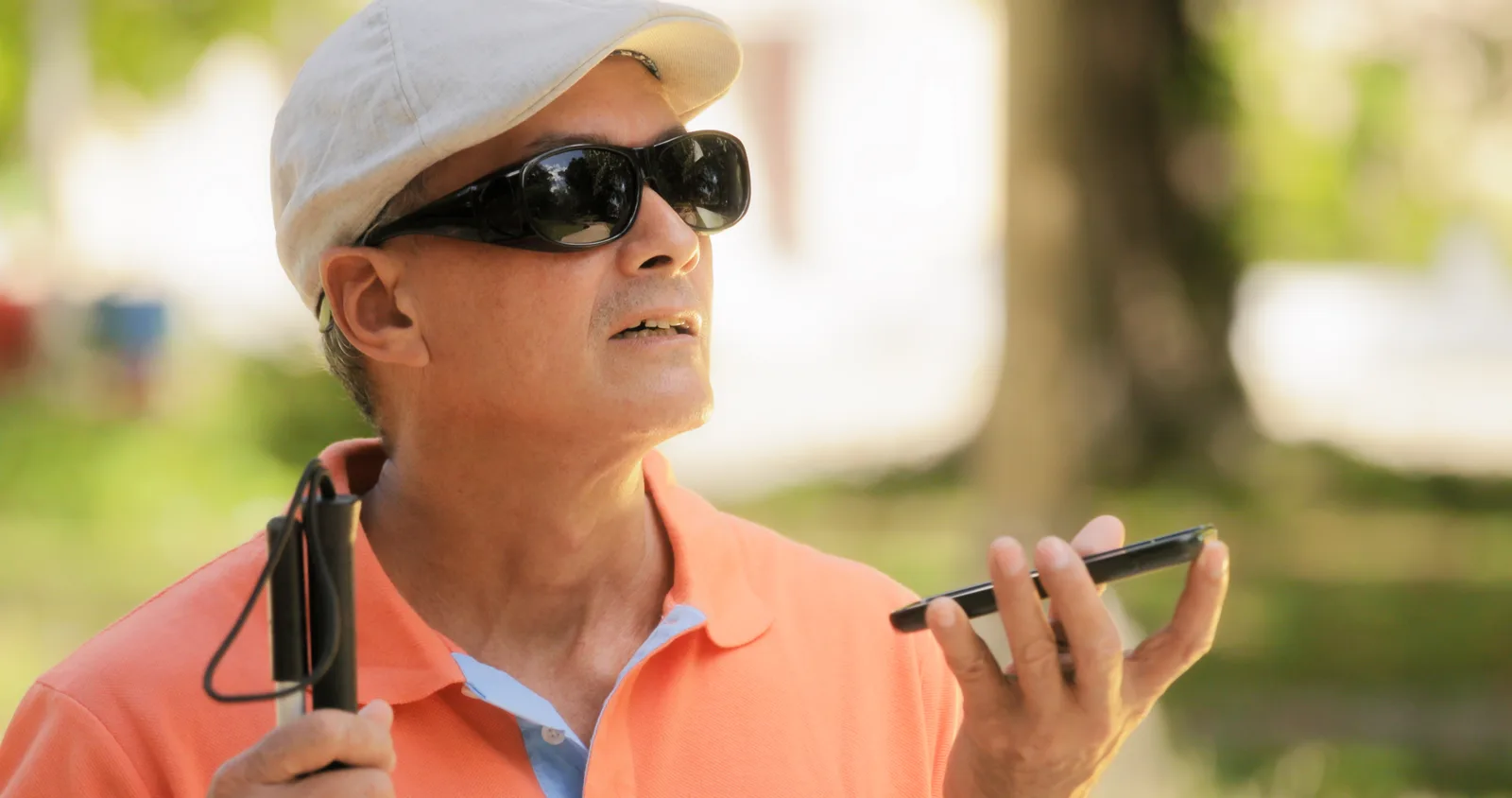
How I use my smartphone for traveling
02

I now bookmark a museum’s website or archives page ahead of any visit. That way, I can load the site on my phone, filter collections by exhibit, and search for a specific piece so I can pull up a high-resolution image straight from the institution’s library. A handful of museums go even further, hosting digital 3D models that you can rotate and zoom—often at a higher resolution than their two-dimensional counterparts.

For dining and other venue research, AccessNow serves as a crowdsourced accessibility resource that pairs with Google Maps. The platform lets users tag accessibility details for listed businesses and write reviews that give additional context beyond the standard rating.

How I use my smartphone for traveling
03

When I need a person on the other end to describe something I cannot see clearly, visual-interpreting apps such as Aira and Be My Eyes connect me through one-way video and two-way audio. I can ask questions live and receive spoken descriptions, which makes them handy for tasks like identifying a restaurant menu or confirming a street sign.

These services complement rather than replace traditional mobility tools. A white cane still belongs in my hand for navigation, and interpreting apps cannot safely handle tasks like crossing a busy intersection or finding a restroom.

How I use my smartphone for traveling

FAQ

Frequently asked questions

01Do detailed walking directions in Google Maps only help blind and low-vision travelers?

No. Although Google designed the detailed walking instructions primarily for users with vision loss, sighted travelers benefit too. The feature adds context like busy-street warnings and more accurate arrival-time estimates, which anyone navigating an unfamiliar area can find useful.

02Which magnifier apps include text-recognition features?

Pixel Magnifier and iOS Magnifier both embed optical-character-recognition capabilities. They can freeze a camera image, extract the text, and then either read it aloud or present it in large print.

03Can I use museum websites before arriving?

Yes. Saving a museum site or its archives page to your phone beforehand lets you filter exhibits, search for individual artworks by name, and load high-resolution images directly from the institution—sometimes including 3D models you can rotate and zoom.

04Are United Airlines and American Airlines gate-assistance apps accessible?

Both carriers offer applications that can direct you to your gate and display flight information. I have not tested whether those apps include specific accessibility features, so travelers who rely on them may want to evaluate the experience firsthand.

05What is the difference between visual interpreting and using a white cane?

Visual interpreting apps like Aira and Be My Eyes connect you to a human who describes what the camera sees, which helps with tasks like reading a menu or identifying a sign. A white cane, on the other hand, provides physical feedback about obstacles and terrain. The two serve different purposes, and an app is not a substitute for the navigation support a cane offers.