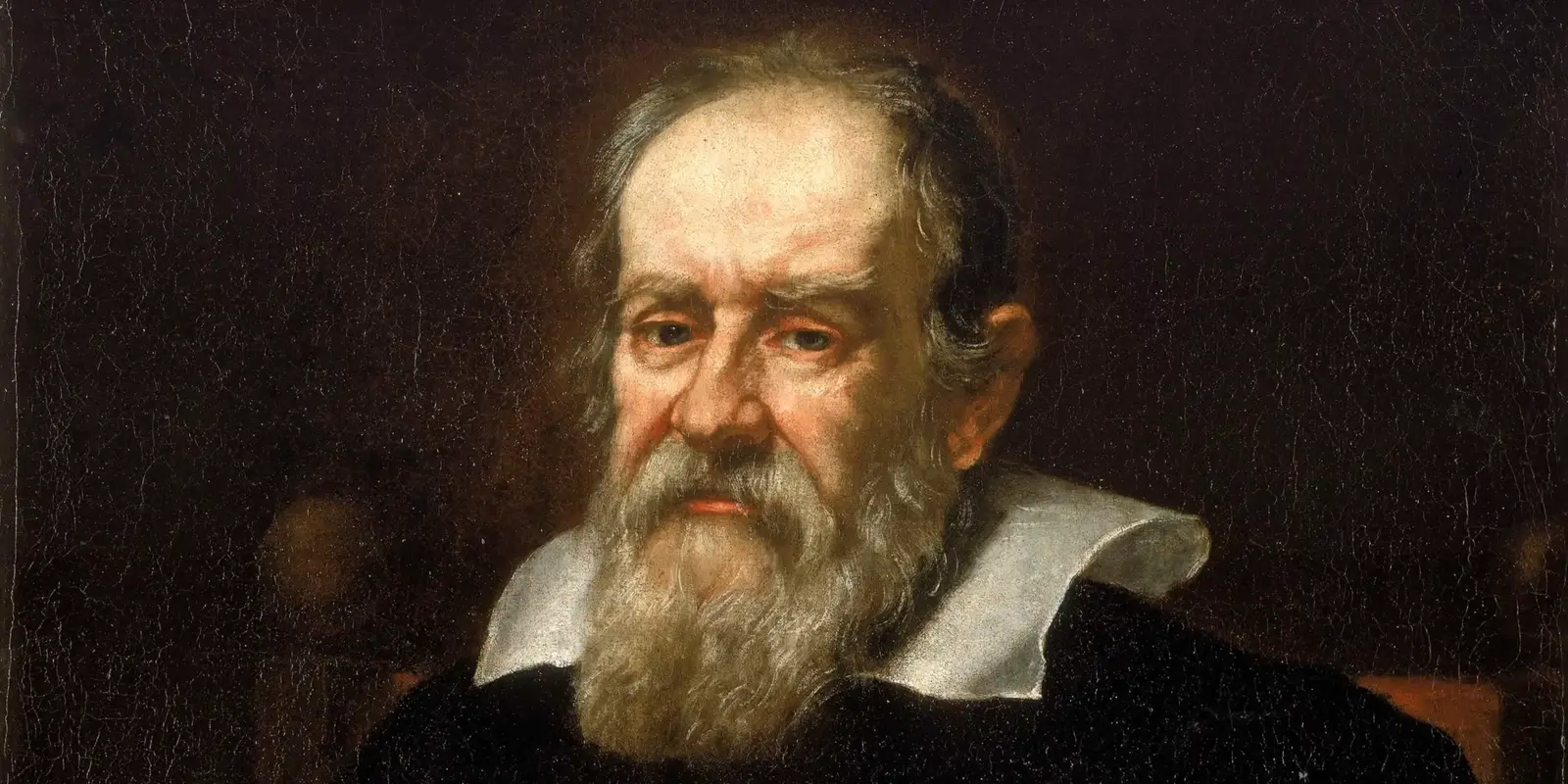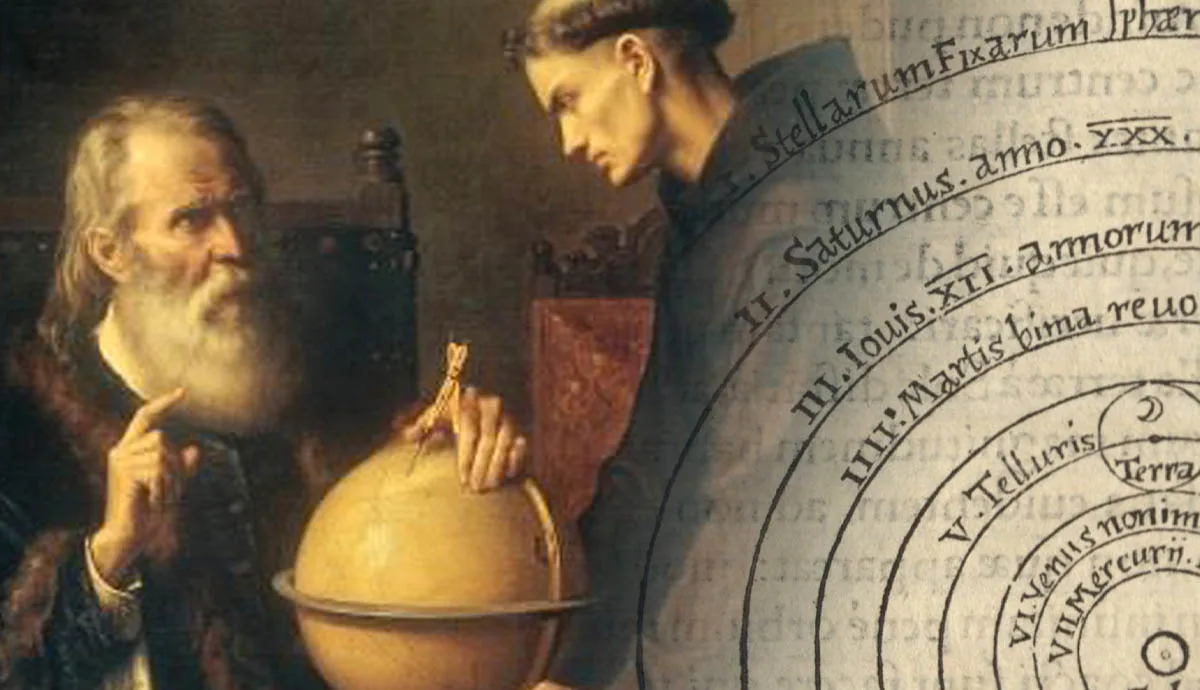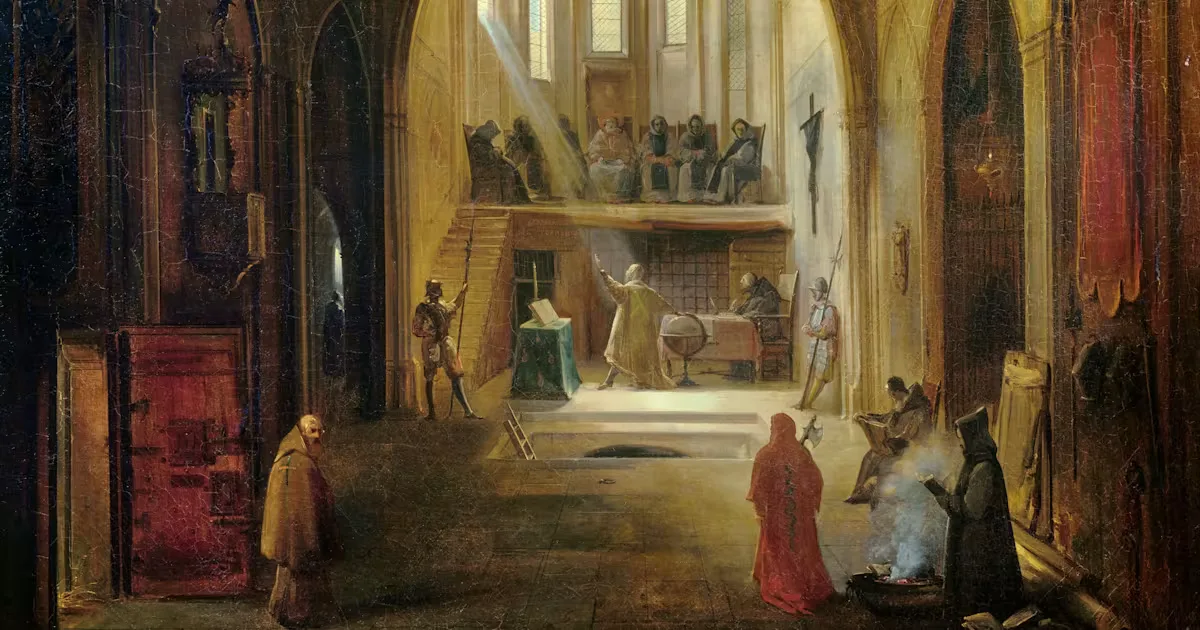
Galileo’s university training gave him fluency in the dominant natural philosophy of his time, but his own experiments pulled him away from it. Rather than accepting Aristotle’s explanations of falling bodies and motion, he began measuring speed, distance, and acceleration with a rigor that felt almost unfamiliar to sixteenth-century scholars. After his return to Florence, he kept his income modest through teaching while devoting his free hours to writing and calculation.
His earliest surviving manuscript, De Motu (On Motion), dates to around 1590 and reads as a collection of essays that directly challenge Aristotle’s views on free fall and mechanical movement. In it, Galileo proposes his own laws of motion and begins treating physics as something that can be described mathematically rather than philosophically. That shift from qualitative reasoning to quantitative proof became the engine of his later work.