
01
Why This Topic Matters
Readers often underestimate how much sports and outdoor practice can strengthen orientation, confidence, and willingness to explore.
- 01Recreation supports confidence.
- 02Movement skill can transfer.
- 03Fear reduction matters.
Topic hub
Outdoor activity is not an extra luxury after independence is finished. For many people, it is part of how confidence and spatial trust are built in the first place.
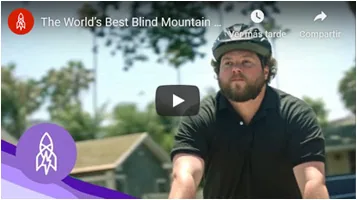
Readers often underestimate how much sports and outdoor practice can strengthen orientation, confidence, and willingness to explore.
Rapid read
Readers often underestimate how much sports and outdoor practice can strengthen orientation, confidence, and willingness to explore.
Good progression starts with context, support, and repeatable challenge rather than dramatic stunts.
Users usually want to know what is realistic, what preparation is required, and how blind participants stay safe enough to learn.
FAQ
No. Many forms of outdoor training start with simple, scalable preparation and do not require elite performance to be meaningful.