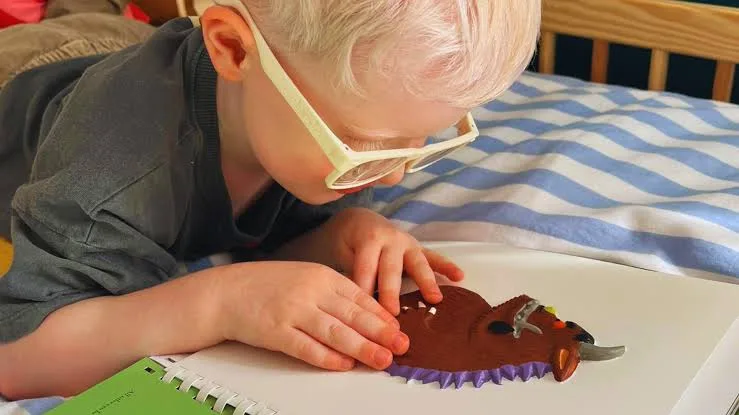
Introducing Activities of Daily Living (ADL) into a resource classroom or itinerant program requires a strict commitment to a foundation of Consistency and Developing Memory Skills first. These skills are also fundamental in Planning and Organization. Begin by designating fixed, easily reachable spots for a limited set of frequently used items, whether that’s toiletries, school supplies, or kitchen utensils. Avoid relocating objects without explicit communication, as environmental shifts quickly transform familiar tasks into frustrating search exercises. Crucially, the student should also be responsible for retrieving the desired object, not family, teacher aides, other classmates, or the teachers themselves. This hands-on retrieval builds spatial awareness, reinforces memory pathways, and ensures the routine remains entirely student-driven.
When memory retention becomes a barrier, embed supportive prompts directly into the environment. A short audio recording outlining each step can be played repeatedly, while braille or large-print checklists should remain anchored in obvious, unchanging spots near the storage area. These aids reinforce established systems rather than replacing them. As familiarity grows, gradually reduce the prompts until the child executes the sequence autonomously. If progress stalls, evaluate whether the system’s complexity exceeds the child’s current capacity, then simplify the layout or adjust the tactile/auditory cues accordingly. Consistency paired with active participation transforms everyday organization from a guided activity into a sustainable life skill.