Orientation and Mobility — Getting Around for Greater Independence in Everyday Life

Editorial guide

Orientation and Mobility — Getting Around for Greater Independence in Everyday Life

A closer look at Orientation and Mobility — Getting Around for Greater Independence in Everyday Life and the details that shape the outcome.

Reader route
Best for Readers, families, and instructors
Use this page to Get oriented before going deeper
Next move Open related guides and checklists
Published July 16, 2026
Briefing

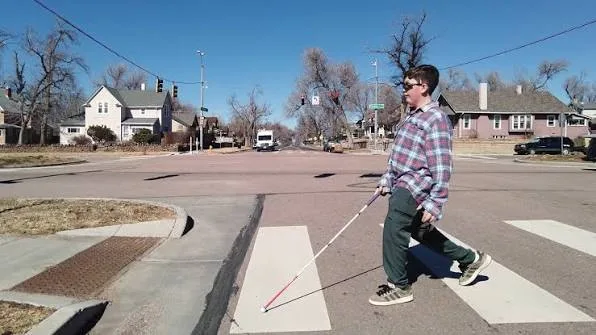
"Mobility" refers to the ability to move safely, efficiently, and effectively from one place to another, such as walking without tripping or falling, crossing streets, and using public transportation.

How blind people navigate the world

The world isn't always designed for people with disabilities. That's why at Perkins School for the Blind, students who are #Blind or ...

  • Channel: Perkins School for the Blind

Video source: Perkins School for the Blind

Rapid read

Key takeaways

  • 01Start with the direct answer around Orientation and Mobility — Getting Around for Greater Independence in Everyday Life, then use the section details to judge the fit for your situation.
  • 02Orientation and Mobility — Getting Around for Greater Independence in Everyday Life is usually easier to understand when you compare accuracy, privacy, and practical limits side by side.
  • 03The safest approach is the one that stays useful without oversharing personal data or assuming every record is complete.
01

Even well-traveled paths can feel unfamiliar when lighting shifts or temporary obstacles appear. A sudden patch of glare near a doorway, a change in floor texture, or an unexpected street closure forces the traveler to constantly reassess their position. Effective orientation and mobility strategies start by acknowledging these shifting conditions rather than relying solely on memory.

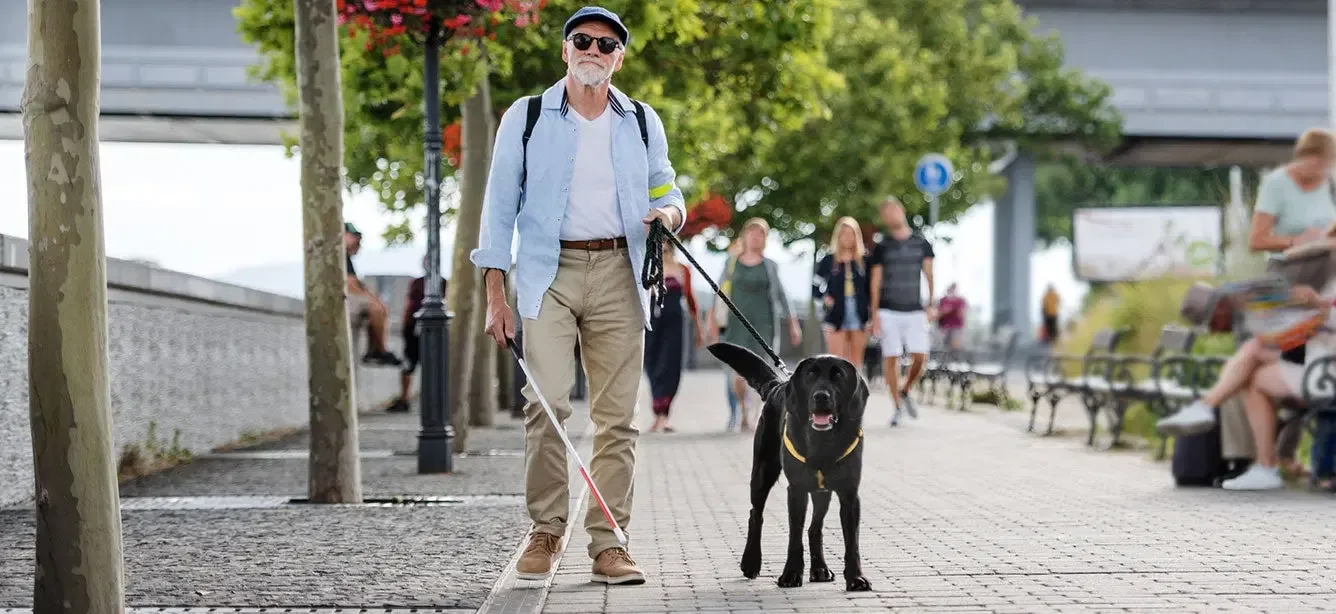
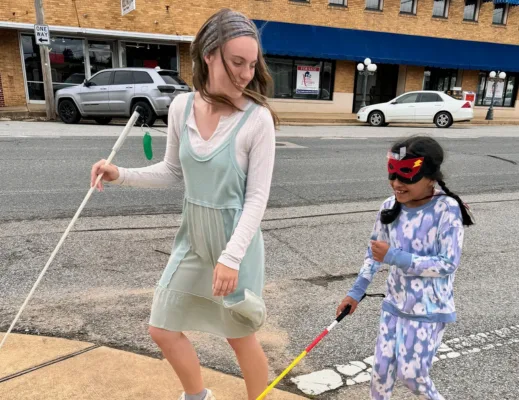
For individuals who are blind or have low vision, environmental changes directly impact pacing, cane technique, and decision-making at curbs, intersections, or busy transit hubs. Recognizing how these variables affect daily navigation is the first step toward safer, more confident travel.
Orientation and Mobility — Getting Around for Greater Independence in Everyday Life
02

Practical mobility instruction focuses on translating auditory, tactile, and visual cues into actionable choices. Rather than memorizing rigid sequences, travelers learn to identify their current location, detect environmental shifts, and adjust their path accordingly.

Reduced contrast sensitivity and harsh lighting can mask hazards even when some vision remains, making professional guidance invaluable. A certified mobility instructor can evaluate how lighting, scanning patterns, and assistive tools interact within the actual spaces where navigation difficulties occur.

Orientation and Mobility — Getting Around for Greater Independence in Everyday Life
03

True confidence comes from navigating actual environments under everyday conditions. Practicing a route during different times of day exposes the traveler to varying light levels, background noise, and pedestrian traffic, revealing which landmarks remain reliable and which fade into the background.

Supportive companions play a key role by offering clear, timely feedback without taking over. Allowing extra time for problem-solving builds lasting skills, whereas stepping in too quickly may resolve an immediate hurdle but stall long-term progress.

Orientation and Mobility — Getting Around for Greater Independence in Everyday Life
04

Before applying any orientation and mobility strategy, verify that it aligns with the specific environment, available tools, and personal comfort level. The goal is to identify a concrete, safe next step rather than rely on general assumptions.

A reliable approach involves listing known factors, acknowledging uncertainties, and determining what missing information might alter the plan. If the situation involves unfamiliar terrain, complex traffic patterns, or health-related mobility limits, consulting a certified orientation and mobility specialist ensures the strategy remains both practical and secure.

Keeping the process grounded in observable details prevents rushed decisions. Document the action to take today, the sign that the plan is working, and the point where additional resources or professional guidance become necessary.

  • 01Verify environmental conditions before attempting a new route.
  • 02Assess lighting, surface changes, and potential hazards together.
  • 03Identify when to pause and seek professional guidance.
  • 04Select a simple, repeatable navigation step when visibility is limited.

FAQ

Frequently asked questions

01What should someone notice first about Orientation and Mobility — Getting Around for Greater Independence in Everyday Life?

Start by identifying the most consistent environmental cues in your immediate space, such as distinct sounds, floor textures, or fixed landmarks. These reference points form the foundation for building confidence in unfamiliar areas.

02Which detail can change the outcome for Orientation and Mobility — Getting Around for Greater Independence in Everyday Life?

Lighting conditions and surface continuity often dictate success. Sudden drops in contrast, blinding glare, or uneven pavement can drastically alter navigation speed and safety, making environmental awareness essential.

03What is a useful way to follow up on Orientation and Mobility — Getting Around for Greater Independence in Everyday Life?

Schedule regular check-ins with a certified mobility instructor to review progress, adjust techniques for seasonal changes, and introduce new community navigation skills as confidence grows.