Glaucoma Symptoms, Diagnosis, and Protecting Your Sight

Editorial guide

Glaucoma Symptoms, Diagnosis, and Protecting Your Sight

Glaucoma can progress without obvious early symptoms, so eye examinations and prescribed treatment are central to protecting sight.

Reader route
Best for Readers, families, and instructors
Use this page to Get oriented before going deeper
Next move Open related guides and checklists
Published August 21, 2026
Briefing

A person can also develop glaucoma even when measured eye pressure falls within the typical range, which may happen if the optic nerve is unusually fragile or sensitive. Vision loss frequently begins in the side (peripheral) field and often goes unnoticed until the disease has progressed significantly, making routine eye care crucial.

Glaucoma: Symptoms, Diagnosis, and How Vision Loss Impacts Emotional Health

Glaucoma (https://www.webmd.com/eye-health/glaucoma-eyes) is a leading cause of irreversible blindness worldwide, and often ...

  • Channel: WebMD

Video source: WebMD

Rapid read

Key takeaways

  • 01Glaucoma damages the optic nerve and can occur with either raised or normal-range eye pressure.
  • 02Peripheral vision, contrast sensitivity, and night vision may be affected before central vision changes become obvious.
  • 03Regular eye examinations are the only reliable way to detect common open-angle glaucoma before noticeable symptoms appear.
  • 04Treatment cannot restore sight already lost, but good control allows most people with glaucoma to retain useful vision.
01

Some individuals develop the condition despite having eye pressure readings that appear normal. This tends to occur when the optic nerve is more delicate or reactive than average, meaning damage can happen even without the usual pressure elevation.

Glaucoma Symptoms, Diagnosis, and Protecting Your Sight
02

When the optic nerve sustains damage, blind spots can start appearing in the visual field. Peripheral vision is typically the first area affected, and many people notice no warning signs until the condition reaches a more advanced stage. As damage progresses, central vision can eventually become involved, creating blind spots in straight-ahead gaze.

Two vision changes frequently reported include difficulty distinguishing objects whose color blends with their background, and reduced ability to see or navigate in dimly lit environments.

Glaucoma Symptoms, Diagnosis, and Protecting Your Sight
03

Once optic-nerve damage has caused vision loss, that loss cannot be reversed — there are no treatments capable of repairing the injured nerve. Detecting glaucoma early and beginning management before significant damage occurs is therefore critical for protecting remaining sight.

Untreated or poorly controlled glaucoma can ultimately result in complete blindness, yet most people who receive treatment maintain useful vision throughout their lives.

Glaucoma Symptoms, Diagnosis, and Protecting Your Sight
04

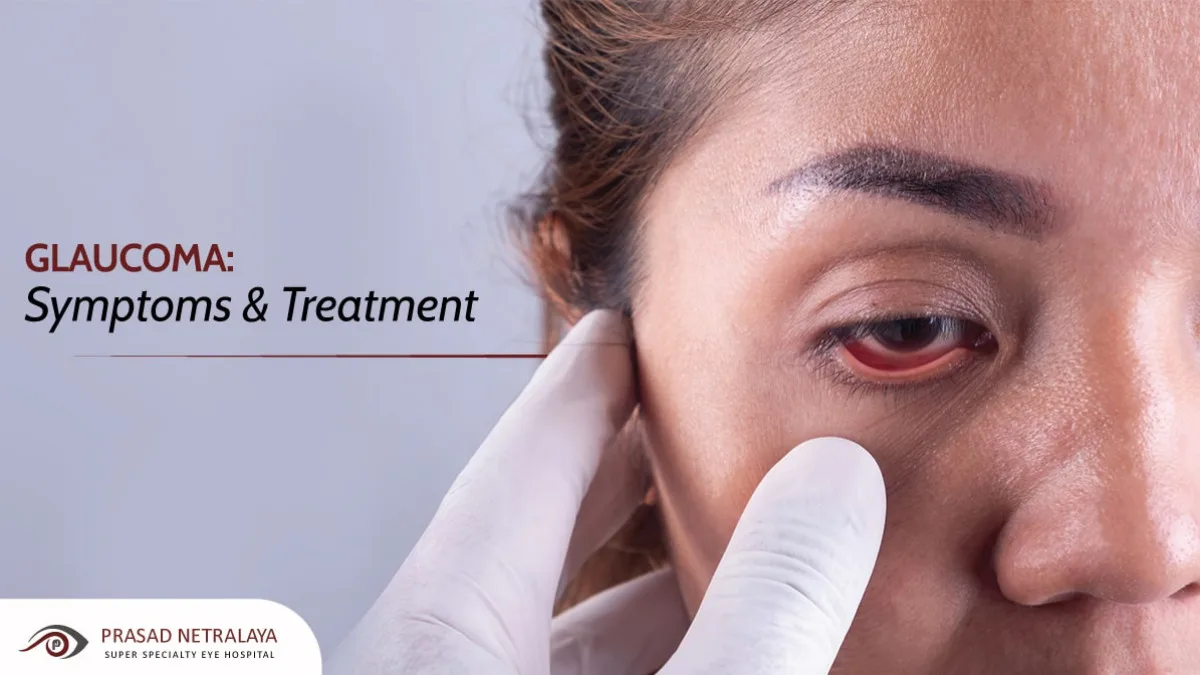
Primary open-angle glaucoma is the most prevalent form, developing slowly over many years as eye pressure rises gradually. It commonly affects both eyes, though one eye may show greater involvement than the other.

Normal-tension glaucoma occurs when optic-nerve damage develops despite pressure measurements staying below the typical high-pressure range, often because the nerve is especially vulnerable.

Secondary glaucoma arises as a consequence of another eye condition, an injury to the eye, or certain medications.

Glaucoma in babies and children is uncommon. It can result when the eye's aqueous drainage system has not formed properly before birth, or when linked to another eye condition or developmental problem.

05

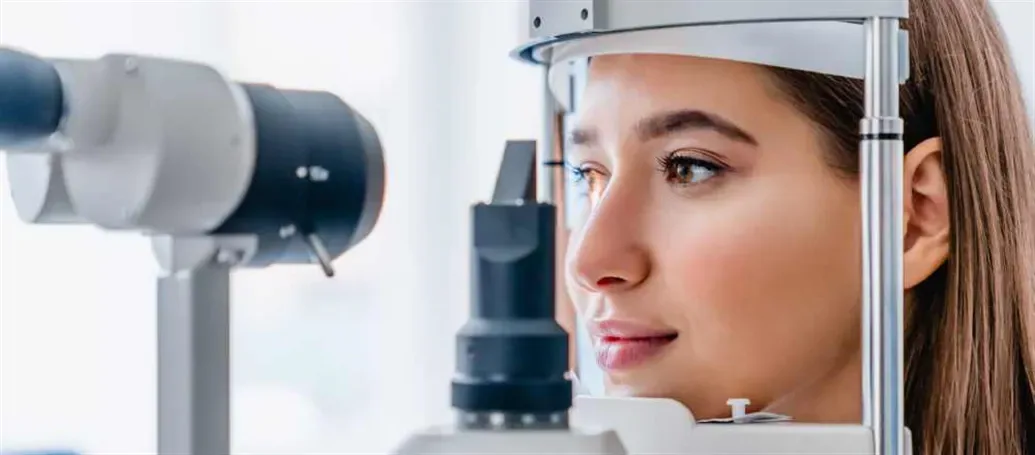
Because common forms of glaucoma frequently produce no noticeable early symptoms, regular eye examinations remain the only reliable way to identify the condition. An optometrist will determine how often tests are needed based on factors such as age, family history, and other risk indicators.

The sooner glaucoma is detected and managed, the better the chances of preserving vision long term.

FAQ

Frequently asked questions

01Can glaucoma develop with normal eye pressure?

Yes. Even when pressure measurements fall within the standard range, some people develop optic-nerve damage if their nerve is unusually sensitive or fragile.

02What vision changes can glaucoma cause?

Peripheral (side) vision is typically affected first, and many people do not notice symptoms until damage is more advanced. Some also experience difficulty distinguishing objects from similarly colored backgrounds and find it harder to see in low-light conditions. If untreated, central vision may eventually develop blind spots, and severe uncontrolled disease can lead to total blindness.

03Why are regular eye examinations important for glaucoma?

Glaucoma often produces no early warning signs, so routine eye exams with an optometrist are essential for catching the condition before vision loss occurs. Early detection and treatment give the best opportunity to protect remaining sight over time.