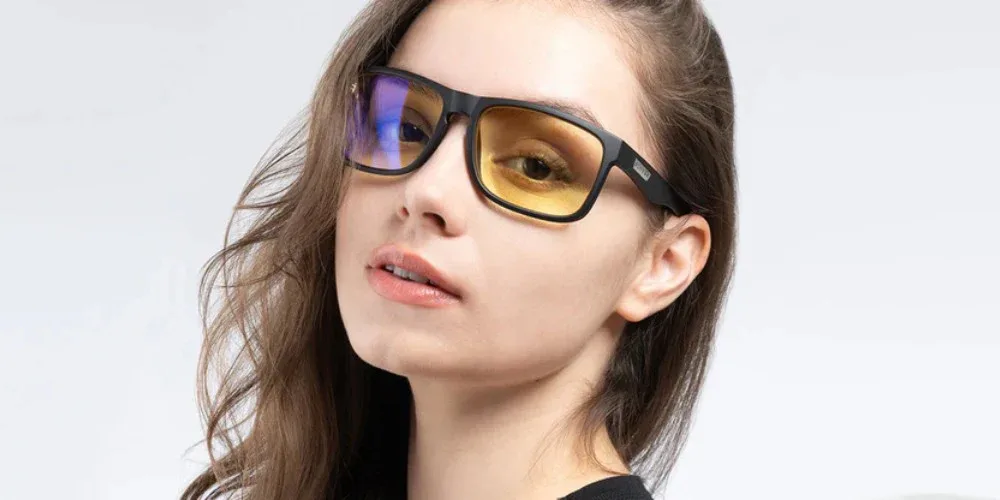
Five steps to getting the right glasses for light sensitivity

Editorial guide

Five steps to getting the right glasses for light sensitivity

A closer look at Five steps to getting the right glasses for light sensitivity and the details that shape the outcome.

Reader route
Best for Readers, families, and instructors
Use this page to Get oriented before going deeper
Next move Open related guides and checklists
Published July 23, 2026
Briefing

However, there are effective strategies to help you cope. The key lies in finding the right eyewear solution that manages glare without plunging your world into unnecessary darkness. By following five focused steps, you can identify sunglasses or filters that provide relief while maximizing your remaining sight.

Three glasses mistakes to avoid! #Eyebuydirect #Glasses #Glasses101 #GlassesLife #GlassesProblems

A practical YouTube walkthrough related to Five steps to getting the right glasses for light sensitivity.

  • Channel: Eyebuydirect

Video source: Eyebuydirect

Rapid read

Key takeaways

  • 01Begin with the person's actual goal and current access barriers instead of assuming one solution fits every blind or low-vision user.
  • 02Confirm eligibility, location, cost, training requirements, and ongoing support before relying on a service or tool.
  • 03Test one change in the real environment, note what becomes easier or less dependable, and adjust the routine from that evidence.
01

Managing light sensitivity requires finding a delicate balance. You need to reduce the discomfort caused by bright light, but you must also ensure enough light enters your eye to maintain visual function. Standard sunglasses simply cut down the total amount of light, which can be counterproductive if you have low vision, as it may reduce your sight further without addressing specific glare issues.

The most effective approach varies from person to person. For some, simply reducing the overall light level is sufficient. For others, filtering out specific color ranges of the spectrum provides greater relief. Because there is no single 'best' color for all eye conditions, the first step is recognizing that your needs are unique and require experimentation rather than a one-size-fits-all purchase.
Five steps to getting the right glasses for light sensitivity
02

Choosing glasses based on an advertisement or a friend’s recommendation is rarely successful. What works for someone else may leave you struggling with different types of glare. Instead, the most critical step is testing lenses in the exact environments where you experience symptoms.

If sunny days are your biggest challenge, try on different tinted lenses outdoors on a bright day. If indoor lighting is the problem, test them inside a brightly lit supermarket or under fluorescent strip lights. For those who struggle with adapting to changes between indoors and outdoors, wear the glasses in both settings to assess how quickly your eyes adjust. This hands-on trial is essential to determine which filter combination offers the best comfort and visibility.

Five steps to getting the right glasses for light sensitivity
03

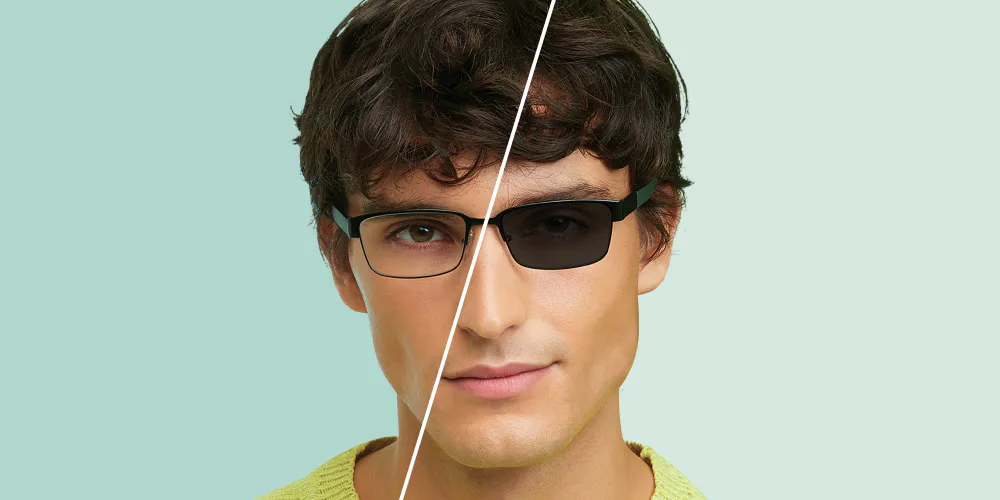
Your light sensitivity needs may change depending on the time of day or weather conditions. Many people find it helpful to own two pairs of glasses: one with a darker tint for intense sunlight and another with a lighter tint for overcast days or early morning outings.

Alternatively, photochromic lenses offer a dynamic solution. These lenses automatically adjust their tint in response to changing light conditions. While they adapt more slowly than sunglasses might wish, this gradual transition gives your eyes time to adjust comfortably, making them a versatile option for those moving frequently between different lighting levels.

Five steps to getting the right glasses for light sensitivity
04

The lens is only half the battle; the frame plays a crucial role in blocking stray light. A well-fitting frame should sit close to your face comfortably to prevent light from sneaking in from the sides or top. For people with low vision, specialized eye protection often offers superior coverage compared to standard sunglasses.

Look for 'wraparound frames,' which resemble sports eyewear. These designs feature wider arms and top panels to shield your eyes from light coming from various angles, particularly from above, where much of the glare originates. Combining wraparound glasses with a brimmed hat can significantly enhance your protection and comfort in bright conditions.

05

While tint reduces glare, it does not necessarily block harmful ultraviolet (UV) rays. It is vital to choose lenses that offer full UVA and UVB protection, as high exposure to these rays is a risk factor for conditions like cataracts. In the UK, all sunglasses sold should include UV filters as standard, marked with a CE mark or UV400 designation.

However, darkness of the tint has no bearing on UV protection. Exercise caution when buying abroad or from unverified online sources, as lens markings may not accurately reflect their protective capabilities. To ensure safety and efficacy, purchase from responsible stockists, such as registered dispensing opticians or reputable low vision resource centers. Many opticians can also create custom filter lenses tailored to your prescription, ensuring you get both correction and protection in one pair.

FAQ

Frequently asked questions

01What is the first step in managing light sensitivity?

Recognize that your needs are unique. Start by understanding whether you need general light reduction or specific color filtration, and avoid relying on general advice or friends' recommendations.

02How do I know if sunglasses are right for me?

Test them in the actual environments where you struggle. Try on different tints outdoors in bright sun and indoors under artificial light to see which provides the best balance of comfort and visibility.

03Do dark lenses protect against UV rays?

No. The darkness of a tint does not indicate UV protection. Always look for labels confirming UVA/UVB protection (such as UV400) and buy from reputable sources to ensure your eyes are truly safe.