Diabetes related eye conditions including Diabetic Retinopathy

Editorial guide

Diabetes related eye conditions including Diabetic Retinopathy

A closer look at Diabetes related eye conditions including Diabetic Retinopathy and the details that shape the outcome.

Reader route
Best for Readers, families, and instructors
Use this page to Get oriented before going deeper
Next move Open related guides and checklists
Published July 27, 2026
Briefing

The changes in blood sugar levels caused by diabetes can affect the natural lens inside your eye making your vision become more blurred or more variable throughout the day or from day to day. This can make your glasses prescription variable and unreliable. As your blood glucose becomes better managed, this variation in your vision will settle down.

5 Signs and Symptoms of Diabetic Eye Disease - How Diabetes Affects the Eyes

Learn how diabetes affects the eyes and what your eye doctor is looking for when it comes to diabetic eye disease. Learn more ...

  • Channel: Doctor Eye Health

Video source: Doctor Eye Health

Rapid read

Key takeaways

  • 01Begin with the person's actual goal and current access barriers instead of assuming one solution fits every blind or low-vision user.
  • 02Confirm eligibility, location, cost, training requirements, and ongoing support before relying on a service or tool.
  • 03Test one change in the real environment, note what becomes easier or less dependable, and adjust the routine from that evidence.
01

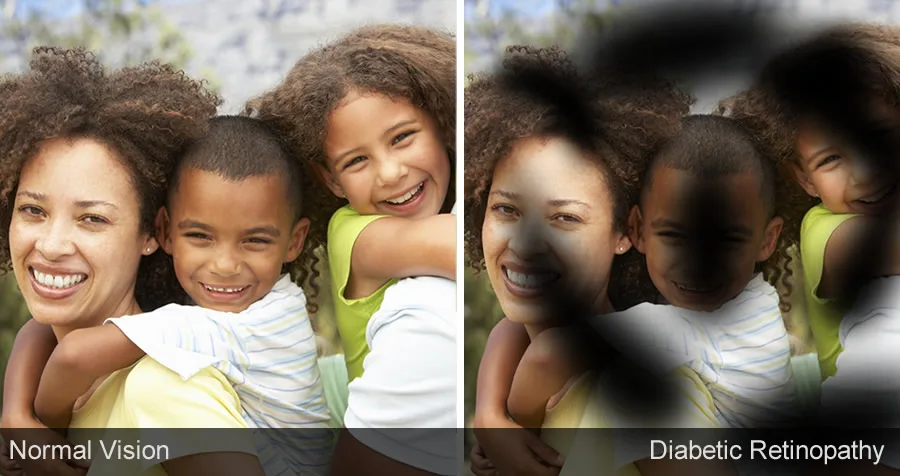
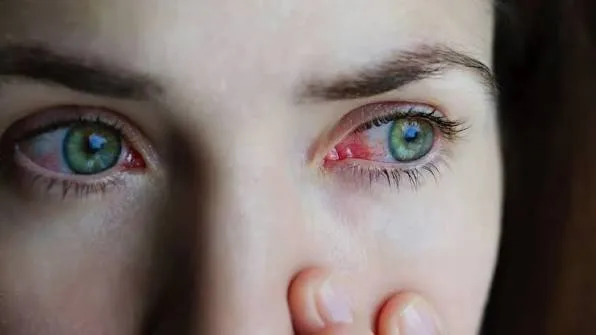
Over time, diabetes can affect the network of blood vessels supplying the retina at the back of the eye, and this damage changes how well the retina works. This is known as diabetic retinopathy. There are different stages of diabetic retinopathy and how your vision is affected will depend on the severity of the changes to the retinal blood vessels and the area of the retina that is involved.

Diabetes can cause the lens in your eye to become cloudy. This condition is known as a cataract. If you have diabetes, you’re more likely to develop a cataract, and at an earlier age than might be expected in someone without diabetes. Cataracts can be removed with surgery.

Some people with diabetes may develop glaucoma, an eye condition where the pressure inside the eye damages the optic nerve at the back of the eye. Glaucoma can be treated with eye drops, laser treatment or surgery if necessary.
Diabetes related eye conditions including Diabetic Retinopathy
02

There may be an increased risk of other eye conditions when you have diabetes including those that affect the cornea, eye muscle problems or retinal vessel occlusion (a blocked retinal blood vessel).

Background diabetic retinopathy: Background retinopathy does not usually affect your sight, but your eyes will need to be monitored carefully to make sure your retinopathy doesn't progress and get worse.

Diabetic maculopathy and diabetic macular oedema: When diabetic retinopathy affects your macula, it's known as diabetic maculopathy. If the blood vessels near the macula are leaky, fluid can build up and cause macular swelling. This is called diabetic macular oedema (DMO) and it can cause vision to be blurred and distorted, as well as making colours appear washed out.

Diabetes related eye conditions including Diabetic Retinopathy
03

Doing your best to keep your blood glucose level in your target range as consistently as you can.

Keeping as fit as you can with regular exercise and a healthy diet to help maintain a healthy weight.

Giving up smoking. Nerve damage (known as neuropathy), kidney disease and cardiovascular disease are more likely in smokers with diabetes. Smoking increases your blood pressure and raises your blood sugar level, which makes it harder to control your diabetes.

Diabetes related eye conditions including Diabetic Retinopathy
04

Attending regular diabetic eye screening appointments as advised. Early detection and treatment will protect your sight.

Some factors that you cannot control can increase the risk of developing retinopathy. These include the length of time you've had diabetes and your age, as you're more likely to develop diabetes as you get older. If you're pregnant, you're more at risk if you already have diabetes or have had gestational diabetes before.

If you or your family are from India, Pakistan, Bangladesh or Sri Lanka (South Asian communities) or from an African-Caribbean background, you're more likely to get type 2 diabetes. The factors behind this aren't fully understood but are thought to involve insulin problems, genetics, diet, and lifestyle.

05

Diabetic retinopathy can be treated with a laser. This is known as laser photocoagulation. The laser used to treat proliferative diabetic retinopathy treats large areas of the edge of the retina (peripheral retina) and is known as pan-retinal photocoagulation (PRP). This treatment is given to prevent further sight-threatening complications.

If your maculopathy causes diabetic macular oedema (DMO) which does not affect the centre of the macula, laser treatment can be given in some cases as a targeted treatment to a small, localised area of the macula.

Laser treatment does not make your sight better; its aim is to protect your vision from becoming a lot worse.

FAQ

Frequently asked questions

01What is the first practical step for diabetes related eye conditions including diabetic retinopathy?

Start with the cue or setup step you can verify directly without guesswork. That usually means touch, sound, layout, timing, or a consistent storage position.

02What usually makes diabetes related eye conditions including diabetic retinopathy break down?

The most common failure is losing the original reference point, then continuing anyway. Environment changes, item drift, and rushed resets all make the task less dependable.

03How do you keep diabetes related eye conditions including diabetic retinopathy workable over time?

Use the same setup, the same action order, and the same final check often enough that the routine stays familiar and easy to confirm.