01
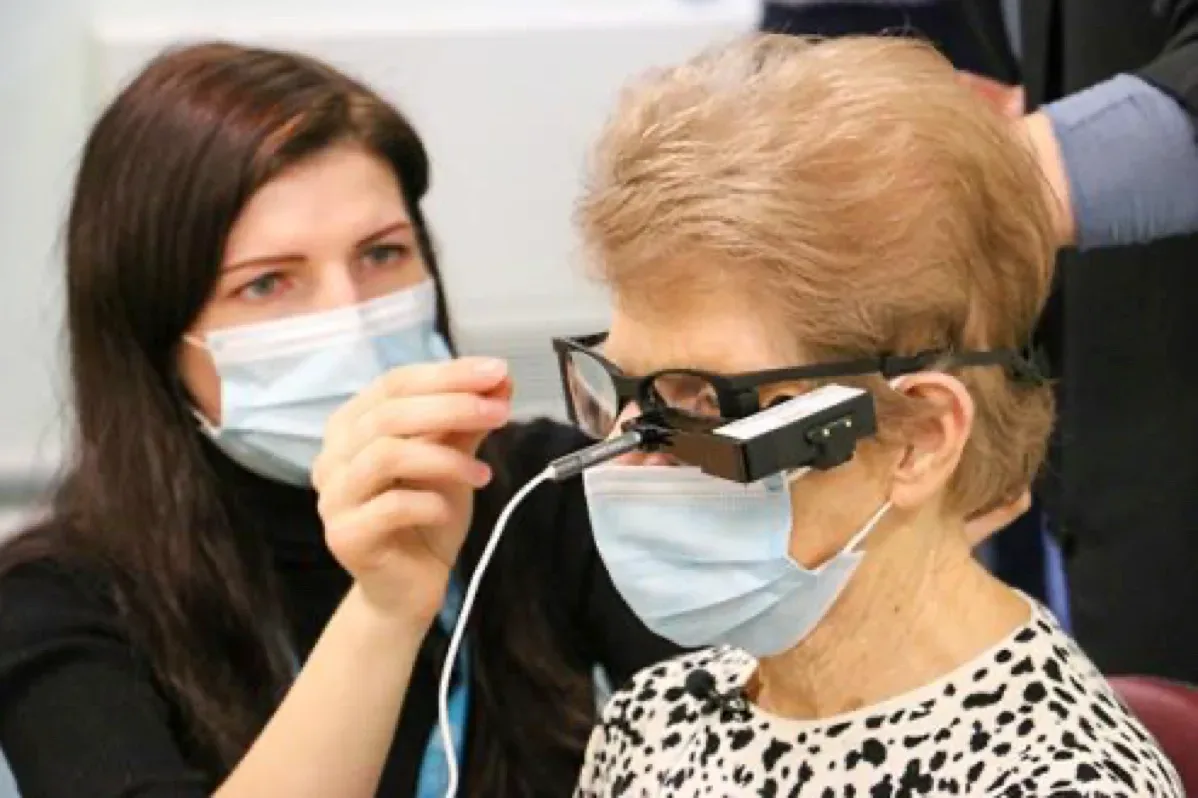
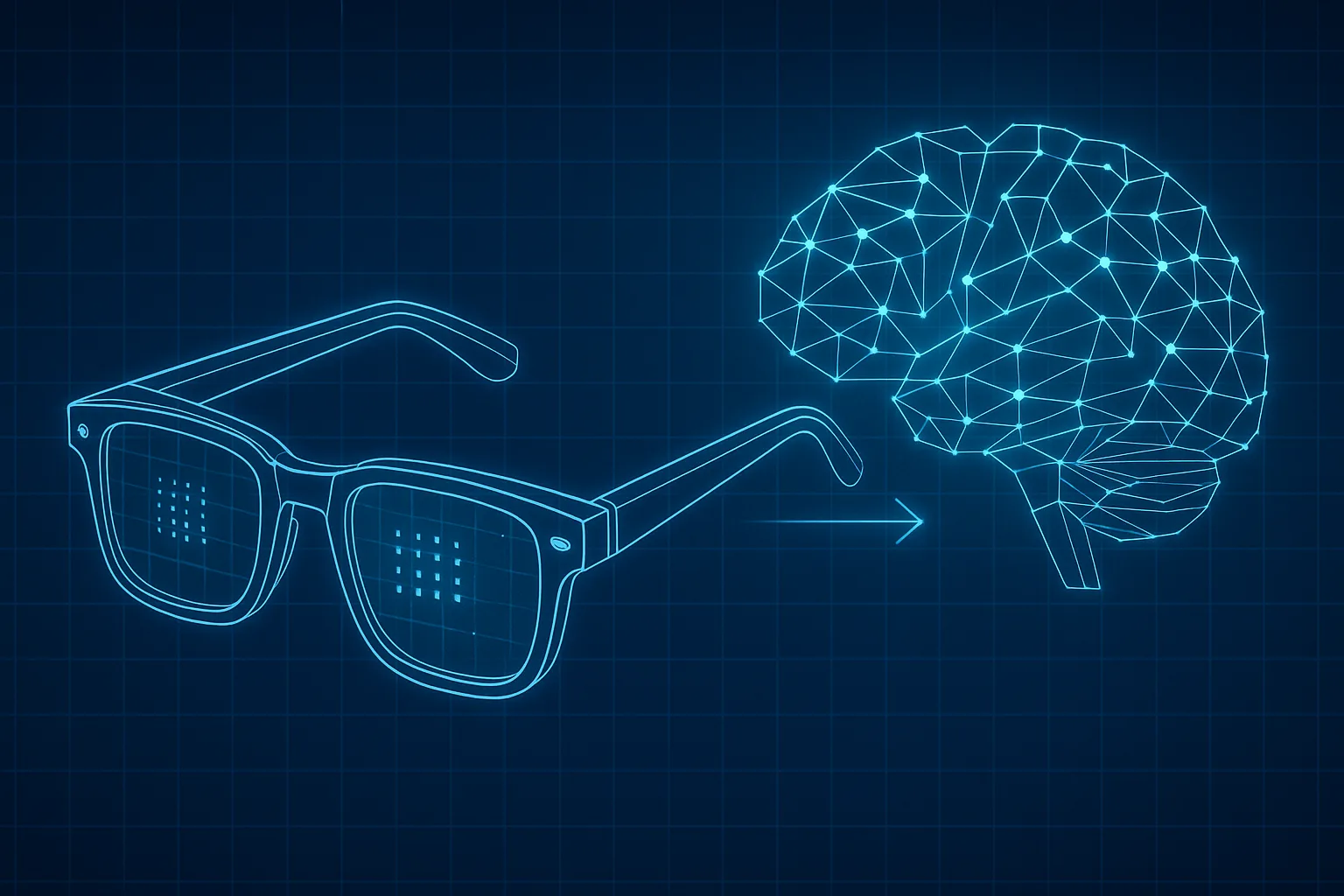
To evaluate whether future implants could help blind kids see, we must first understand the mechanism.
The core challenge lies in the fact that vision processing is far more intricate than auditory processing. While cochlear implants stimulate the auditory nerve directly, visual implants must interface with a highly developed visual cortex that may never have received visual input.
By the end of this section, the goal is to move past vague hopes and identify the specific biological hurdles that define the current timeline.
- 01Confirm this baseline point: The technology mimics hearing aids but operates on a much larger neural scale.
- 02Name the next developmental phase: Clinical trials in adults with residual light perception.
- 03Compare this adult-focused research against the needs of children born with no visual memory.
- 04Stop assuming immediate applicability if the next step depends on solving cortical plasticity issues.