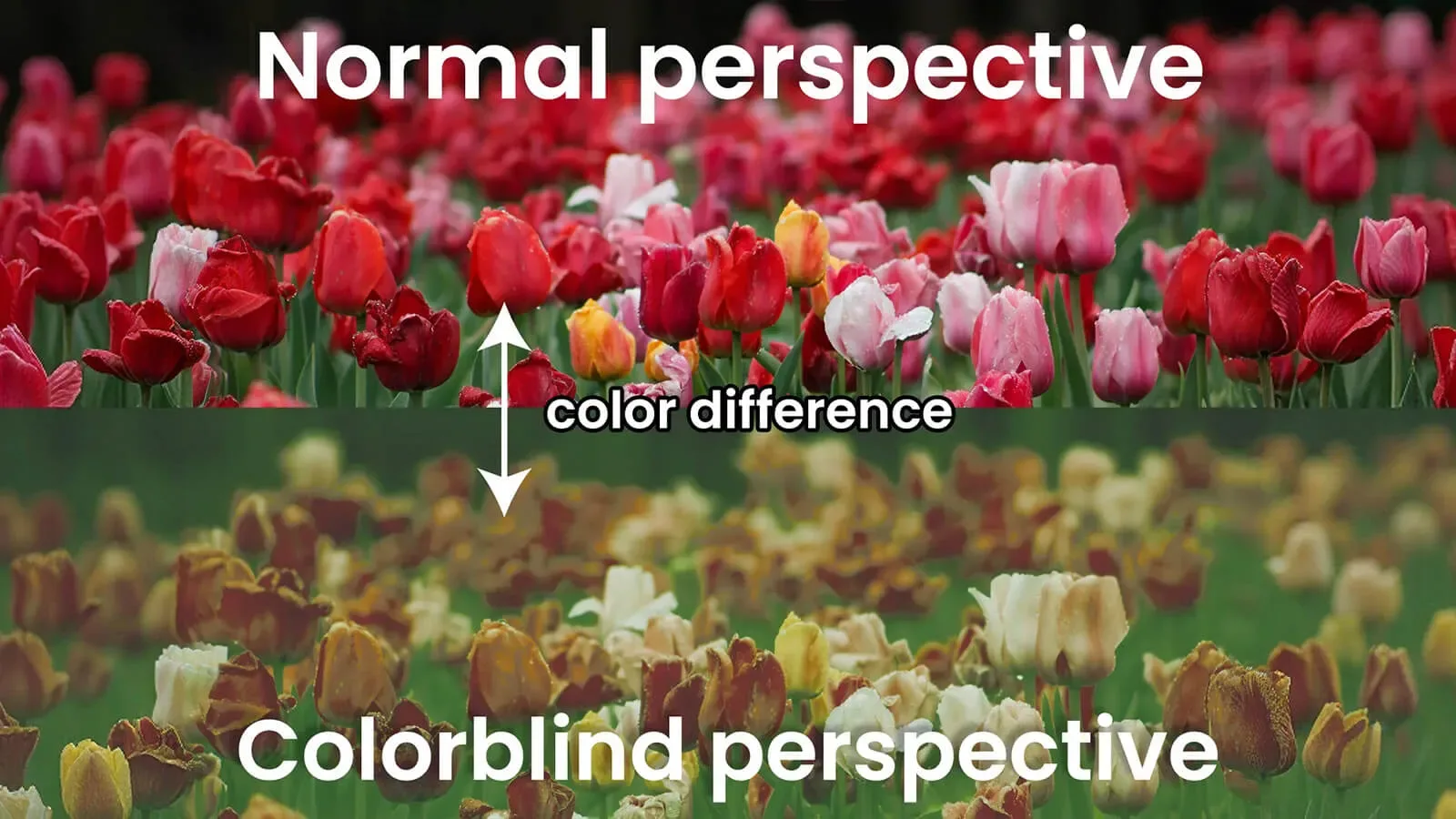
Colour Vision Deficiency — CVD, also known as colour blindness

Editorial guide

Colour Vision Deficiency — CVD, also known as colour blindness

A closer look at Colour Vision Deficiency — CVD , also known as colour blindness and the details that shape the outcome.

Reader route
Best for Readers, families, and instructors
Use this page to Get oriented before going deeper
Next move Open related guides and checklists
Published July 31, 2026
Briefing

This condition is typically inherited from birth, meaning it’s present from early life and does not worsen or improve over time. While most inherited forms don’t impair sharpness of sight, they significantly affect color discrimination.

Are you colorblind? Color vision test? #ophthalmology #optometry #colorblindness #science #medical

A practical YouTube walkthrough related to Colour Vision Deficiency — CVD, also known as colour blindness.

  • Channel: Jeffrey Tran, MD

Video source: Jeffrey Tran, MD

Rapid read

Key takeaways

  • 01Begin with the person's actual goal and current access barriers instead of assuming one solution fits every blind or low-vision user.
  • 02Confirm eligibility, location, cost, training requirements, and ongoing support before relying on a service or tool.
  • 03Test one change in the real environment, note what becomes easier or less dependable, and adjust the routine from that evidence.
01

The most frequent type involves red-green deficiencies, which come in two main forms: dichromacy, where either red or green cone cells fail completely, and anomalous trichromacy, where those cells function partially but not normally.

Those affected may perceive these colors as noticeably duller than individuals with typical vision. In cases involving red sensitivity, red tones might be mistaken for black or dark shades. The way someone experiences this condition varies widely based on how well their cone cells operate.

Red-green CVD follows a hereditary pattern passed through families. Genes carry instructions essential for proper cell development; when mutations occur, these signals become flawed, leading to malfunctioning cone cells responsible for detecting red or green light.
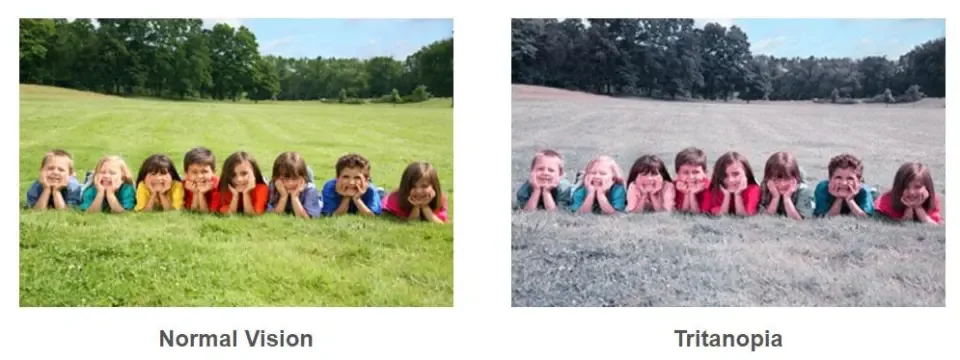
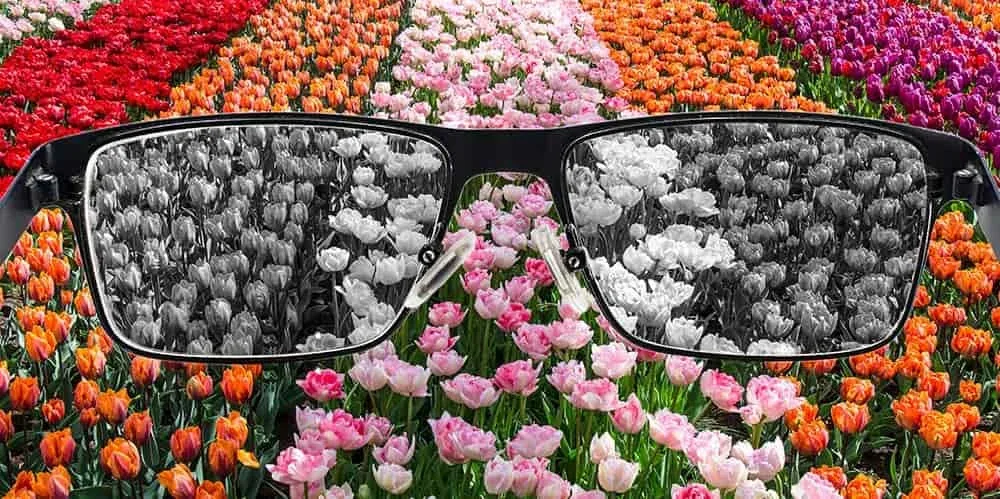
Colour Vision Deficiency — CVD, also known as colour blindness
02

The genetic defect linked to red-green CVD is transmitted via an X-linked inheritance model, placing the faulty gene on the sex chromosomes. Since males inherit only one X chromosome—from their mother—if that chromosome carries the mutation, they will develop the condition.

In contrast, blue-yellow CVD affects shorter-wavelength vision more rarely and arises when blue cone cells are compromised. Unlike its red-green counterpart, it doesn’t follow an X-linked pattern and impacts both genders equally, though it remains uncommon, influencing fewer than one percent of people overall.

Colour Vision Deficiency — CVD, also known as colour blindness
03

Two extreme conditions—monochromatism and achromatopsia—involuntary loss of all color vision due to inherited disorders affecting retinal cone functionality.

Achromatopsia occurs approximately once every thirty thousand individuals, resulting from multiple identified gene disruptions preventing cones from operating correctly. Complete achromatopsia means no functional cone activity whatsoever, while partial versions allow limited residual color perception despite significant impairment.

Additionally, blue cone monochromatism represents another rare disorder wherein only blue-sensitive cones remain active. Prevalence stands below one in one hundred thousand cases and typically manifests alongside visual challenges like heightened light sensitivity, involuntary eye movements (nystagmus), blurred vision, and nearsightedness starting at birth.

Colour Vision Deficiency — CVD, also known as colour blindness

FAQ

Frequently asked questions

01What steps should someone take first if suspecting colour vision deficiency?

Begin by observing everyday situations where color recognition matters—such as reading traffic signals, matching clothing, or interpreting charts—and note whether confusion consistently arises under normal lighting.

02What factors tend to worsen difficulties associated with colour vision deficiency?

Poor ambient lighting, rapid transitions between environments, relying solely on color cues without additional context (like shape or position), and fatigue can all make distinguishing colors harder.

03What strategies help maintain clarity and confidence daily?

Use consistent labeling systems, pair colors with patterns or textures, rely on technology tools designed for accessibility, and communicate openly about needs in settings requiring precise color differentiation.