Charles Bonnet syndrome for Greater Independence in Everyday Life

Editorial guide

Charles Bonnet syndrome for Greater Independence in Everyday Life

A closer look at Charles Bonnet syndrome for Greater Independence in Everyday Life and the details that shape the outcome.

Reader route
Best for Readers, families, and instructors
Use this page to Get oriented before going deeper
Next move Open related guides and checklists
Published August 13, 2026
Briefing

Charles Bonnet syndrome affects a significant number of individuals who experience vision loss. The hallmark of the condition is visual hallucination — perceiving images that have no external source. These hallucinations are a direct consequence of reduced sight, not an indicator of any psychiatric disorder.

What is CBS? #Hallucinations #Visual #Blind #LowVision #DailyLife #TheMoreYouKnow 

A practical YouTube walkthrough related to Charles Bonnet syndrome for Greater Independence in Everyday Life.

  • Channel: Sadi.theBlindLady

Video source: Sadi.theBlindLady

Rapid read

Key takeaways

  • 01Begin with the person's actual goal and current access barriers instead of assuming one solution fits every blind or low-vision user.
  • 02Confirm eligibility, location, cost, training requirements, and ongoing support before relying on a service or tool.
  • 03Test one change in the real environment, note what becomes easier or less dependable, and adjust the routine from that evidence.
01

Unlike hallucinations linked to other medical conditions, CBS-related visions involve sight alone. There is nothing to hear, smell, or feel. Even though the experience can feel unsettling or alarming at first, most people retain awareness that the images are not genuinely present.

The syndrome can affect anyone who has experienced vision loss from any eye condition, regardless of age. Because impaired vision is more prevalent in later life, the majority of individuals with CBS are older adults, yet there is no age limit on who might develop the condition.

Charles Bonnet syndrome for Greater Independence in Everyday Life
02

With healthy vision, light enters the eye and is captured by the retina — the light-sensitive tissue lining the back of the eye. Signals then travel along the optic nerve to the visual cortex, the brain region responsible for processing what we see. This entire journey is called the visual pathway.

There is no single diagnostic test for Charles Bonnet syndrome. A physician will typically conduct a conversation and may order further examinations to exclude alternative explanations for the hallucinations. When no other underlying condition is identified and the person has recently experienced vision reduction, CBS becomes the most likely cause.

Charles Bonnet syndrome for Greater Independence in Everyday Life
03

If you begin noticing objects, scenes, or figures that you know are not actually in front of you, reach out to your GP, ophthalmologist, or optometrist. Most of these professionals have encountered CBS and can offer guidance. Bringing this article or similar information can help frame the conversation productively.

Charles Bonnet syndrome for Greater Independence in Everyday Life
04

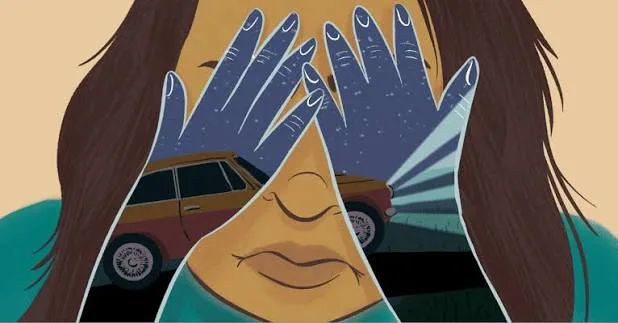
CBS hallucinations typically fall into two broad categories. The first involves basic geometric patterns, repetitive shapes, or linear designs. The second encompasses detailed, elaborate images such as animals, buildings, landscapes, or human figures.

Some people experience primarily simple visual phenomena, while others encounter highly complex scenes. It is also possible to shift between the two types or to have both occurring simultaneously at different times.

05

Hallucinations associated with CBS rarely feature recognizable faces of people you know or depictions of past events from your personal history. While not every image is disturbing, initial episodes often provoke fear or anxiety, which tends to ease as familiarity grows.

FAQ

Frequently asked questions

01What is the first practical step for charles bonnet syndrome?

Speak with your GP, ophthalmologist, or optometrist as soon as you notice visual hallucinations. Bringing supporting information to the appointment can help ensure a productive discussion.

02What usually makes charles bonnet syndrome break down?

People often hesitate to report their symptoms because they fear being told they have a mental health condition. This reluctance can delay diagnosis and leave individuals feeling isolated and uncertain.

03How do you keep charles bonnet syndrome workable over time?

Reassurance is key. Understanding that the hallucinations are a known consequence of vision loss — not a sign of mental illness — and recognizing that they are typically harmless can help reduce anxiety. With time and repeated exposure, most people become more comfortable with the experience.