Age-related macular degeneration — AMD for Greater Independence in Everyday Life

Editorial guide

Age-related macular degeneration — AMD for Greater Independence in Everyday Life

A closer look at Age-related macular degeneration — AMD for Greater Independence in Everyday Life and the details that shape the outcome.

Reader route
Best for Readers, families, and instructors
Use this page to Get oriented before going deeper
Next move Open related guides and checklists
Published July 22, 2026
Briefing

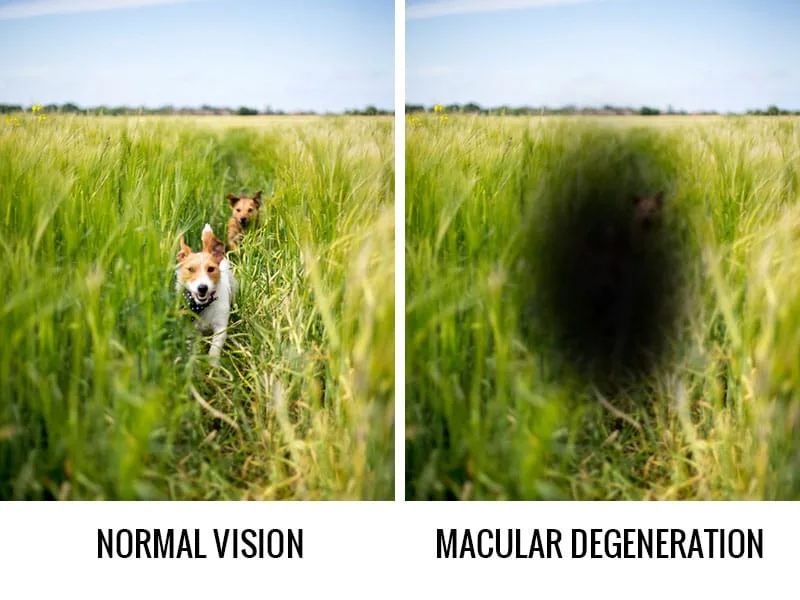
Over time, a dark or fuzzy spot may appear in the middle of what you see. It does not cause pain, and it does not lead to total blindness, since the surrounding peripheral vision remains intact.

Happy Macular Degeneration Patient Uses Ocutech Autofocus 4x Falcon To Regain Visual Acuity

Dr. Dulce Walker, a fellow of the International Academy of Low Vision Specialists (IALVS), is dedicated to empowering people with ...

  • Channel: Low Vision of New Mexico

Video source: Low Vision of New Mexico

Rapid read

Key takeaways

  • 01Begin with the person's actual goal and current access barriers instead of assuming one solution fits every blind or low-vision user.
  • 02Confirm eligibility, location, cost, training requirements, and ongoing support before relying on a service or tool.
  • 03Test one change in the real environment, note what becomes easier or less dependable, and adjust the routine from that evidence.
01

Symptoms vary from person to person, but most people notice it becomes harder to read small print or see fine detail. You may develop a blurred patch in the centre of your vision, find that straight edges look wavy or bent, or become unusually sensitive to bright light. These shifts can creep in slowly or appear much more suddenly.

AMD is a progressive condition, meaning it can change over months or years, but the pace differs widely. Not everyone advances to later stages, and some types remain stable with proper monitoring. If you notice a rapid change in your vision, do not wait—book an appointment with your optometrist right away.

Age-related macular degeneration — AMD for Greater Independence in Everyday Life
02

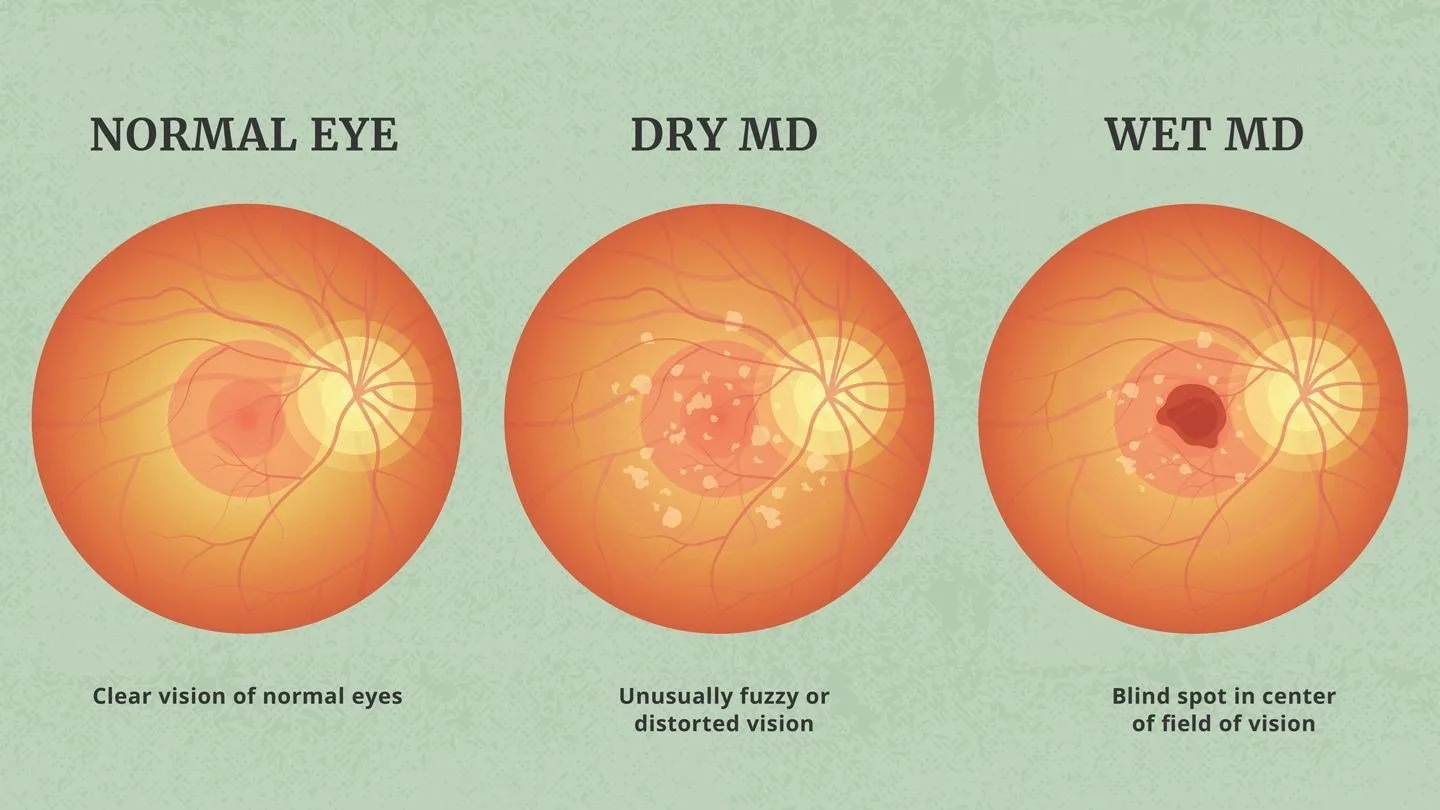
The terms dry and wet describe what is happening inside the eye, not how the eye feels on the surface. Neither label is related to tear production or dry-eye symptoms.

Wet AMD occurs when abnormal blood vessels grow beneath the macula. These vessels leak fluid or bleed, causing swelling and scarring that damage central vision relatively quickly—sometimes within days or weeks. Dry AMD tends to progress more gradually, though some people with dry AMD may later develop wet AMD if new vessels form.

Age-related macular degeneration — AMD for Greater Independence in Everyday Life
03

Wet AMD has effective treatments that stop abnormal blood vessels from growing and protect the macula from further damage. These interventions work best when started early, before permanent scarring sets in. Once AMD has progressed to an advanced scarred stage, treatment options become limited because the damaged tissue cannot be reversed.

AMD usually affects both eyes, though one eye may show signs long before the other. In those cases, the stronger eye often compensates, which can delay awareness of the problem. That is why routine checks matter even if your day-to-day vision feels mostly steady.

Age-related macular degeneration — AMD for Greater Independence in Everyday Life
04

Both dry and wet AMD spare your peripheral vision. The side vision you use for walking, judging distances, and navigating familiar spaces generally remains functional, which supports continued independence at home and in the community.

If you already have dry AMD, stay alert for sudden shifts such as new distortion, a rapid drop in clarity, or a newly dark area in your central field. Report these changes to your optometrist promptly, because early treatment for wet AMD can preserve usable sight. Some people have dry AMD in one eye and wet AMD in the other, though having the same type in both eyes is more common.

05

Early and dry AMD are typically managed through regular optometrist visits rather than immediate intervention. Your eye care professional will set a schedule based on your specific progression, often ranging from once a year to once every couple of years.

Between scheduled appointments, any noticeable decline in clarity, increased distortion, or new blind spots should trigger an earlier visit. Consistent monitoring gives your care team the chance to adjust your plan quickly and protect the vision you rely on for everyday independence.

FAQ

Frequently asked questions

01What is the first practical sign that AMD may be affecting my vision?

Most people first notice trouble with fine detail: small print looks blurred, faces seem harder to make out, or straight lines like door frames and text rows appear wavy or bent. A fuzzy or dark patch in the centre of your vision is another common early clue.

02Will AMD take away all of my sight?

No. AMD affects the central part of your vision, but it does not destroy peripheral vision. You will likely still be able to move around safely, use side vision for navigation, and continue many daily activities with minor adjustments.

03How often should I see my optometrist if I have been diagnosed with AMD?

Your optometrist will recommend a schedule based on how far the condition has progressed, commonly every six to twelve months for dry AMD or more frequently if treatment is underway. If your vision changes sharply between visits, contact them immediately rather than waiting for your next routine appointment.