How to Introduce Echolocation to Blind Children With Simple Games

Editorial guide

How to Introduce Echolocation to Blind Children With Simple Games

Many blind children already notice sound changes in a new room. The best introduction builds on that natural curiosity with short games, clear contrasts, and calm follow-up questions.

Reader route
Best for Readers, families, and instructors
Use this page to Get oriented before going deeper
Next move Open related guides and checklists
Published June 1, 2026
Briefing

A good first introduction does not feel like a test. It feels like a short listening game built around strong contrasts: open room versus furnished room, metal bowl versus folded blanket, hallway versus doorway. When the differences are easy to hear, the child starts trusting the skill instead of guessing at what adults want.

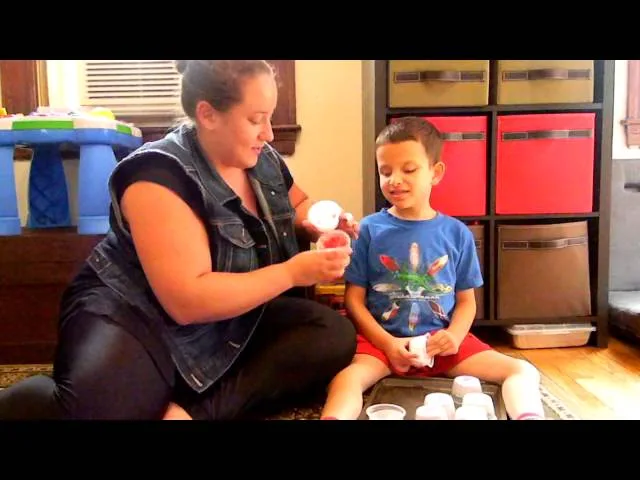
Fun STEM Kids practice Echo Location

Join the Fun STEMKidsas they practiceEcho Location. Did you know that bats and whales and submarines all useecho location ...

  • Channel: Fun Stem Kids

Video source: Fun Stem Kids

Rapid read

Key takeaways

  • 01Start with obvious sound contrasts so the child can notice success quickly.
  • 02Keep sessions short and playful instead of turning early echolocation into a correction-heavy lesson.
  • 03Use questions that help the child describe what changed in the sound, not just whether the answer was right.
  • 04Treat echolocation as one part of broader orientation and mobility growth, not as a replacement for cane skills or instruction.
01

Begin with the sound changes children already notice on their own

Many children with vision loss already react to echo changes before anyone names the skill. A new room may sound bigger, emptier, softer, or more crowded. Starting there makes the lesson feel familiar rather than invented out of nowhere.

Instead of asking for perfect language, invite the child to compare what changed. Does the hallway sound tighter than the living room? Does the bedroom feel softer because of carpet and bedding? These simple comparisons build the listening habit that later drills can refine.

  • 01Use spaces that sound clearly different from one another.
  • 02Ask what changed in the room rather than pushing for a textbook answer.
  • 03Repeat the same contrast more than once before adding new complexity.
How to Introduce Echolocation to Blind Children With Simple Games
02

Use simple object games with strong hard-versus-soft contrast

Object-comparison games work well because they give the child a clear listening target. A metal bowl, plastic bin, cardboard box, couch cushion, or folded blanket all return sound differently. The point is not the exact object list. The point is choosing items whose echo and absorption are easy to tell apart.

Keep the setup controlled at first. One object at a time, one quiet room, and one short listening question make it easier for the child to notice what the click, clap, or voice cue is bringing back.

  • 01Compare hard objects against soft ones before comparing similar materials.
  • 02Keep the room quiet enough that the main sound cue stands out.
  • 03Let the child touch the object after listening so sound and physical shape start connecting.
How to Introduce Echolocation to Blind Children With Simple Games
03

Keep the early routine playful, short, and low pressure

Children learn faster when the session ends before frustration starts. Five good minutes can do more than a long practice block that becomes tiring or corrective. Short repetition keeps curiosity alive and gives the child more chances to come back interested the next day.

is why praise should focus on observation, not performance. If the child says a room sounded bigger, softer, or closer, build on that. You are strengthening attention to sound, not grading a perfect answer sheet.

  • 01Stop while the child still wants one more turn.
  • 02Praise careful listening, not just correct guesses.
  • 03Bring the game back often instead of trying to finish everything in one sitting.
04

Tie the listening games back to mobility and daily confidence

Echolocation becomes more useful when children notice that sound can help with real movement decisions. A doorway opens, a wall closes in, a parked car reflects differently from a hedge, and a large room gives back a different cue than a narrow hall. Those are practical discoveries, not party tricks.

Parents and teachers should still treat echolocation as one tool among many. Cane use, body protection, route learning, and formal orientation instruction all matter. The value of these early games is that they help the child trust sound as one more reliable source of information.

  • 01Point out how room and object echoes connect to everyday movement.
  • 02Keep cane and mobility instruction in the picture instead of setting the skills against each other.
  • 03Use simple listening wins to build confidence before moving into harder environments.

FAQ

Frequently asked questions

01What is the easiest first echolocation game for a blind child?

Start with a quiet room and one strong contrast, such as a hard metal bowl versus a folded blanket or an open room versus a doorway. The child should be able to hear that something changed without needing a long explanation.

02How long should early echolocation practice last?

Keep it short enough that the child stays curious. A few focused minutes often work better than a long session that turns into correction or fatigue.

03Does echolocation replace cane or orientation training for children?

No. It adds another listening-based clue to the child's mobility toolkit, but it should grow alongside cane skills, body awareness, and formal orientation instruction rather than replacing them.